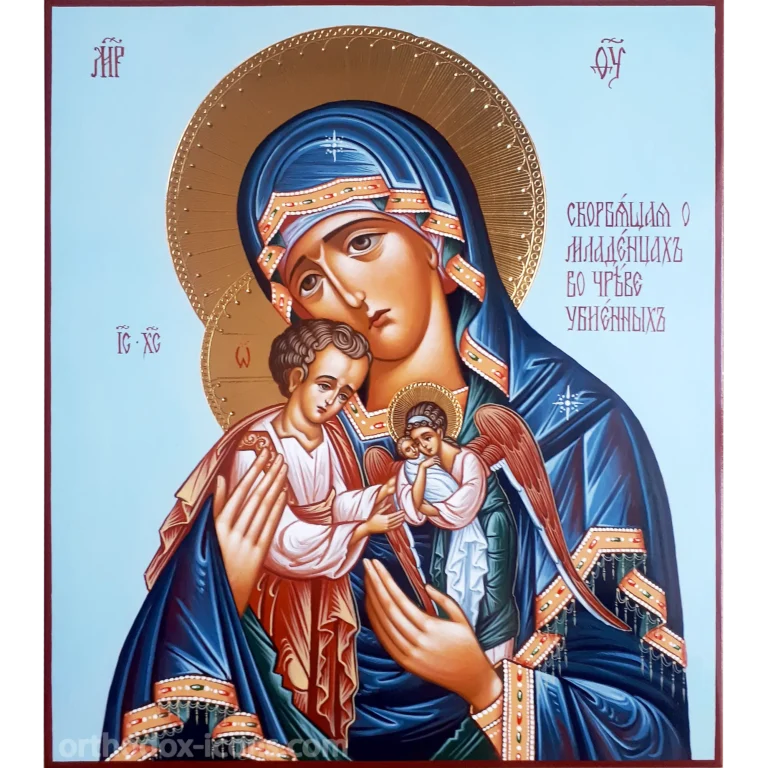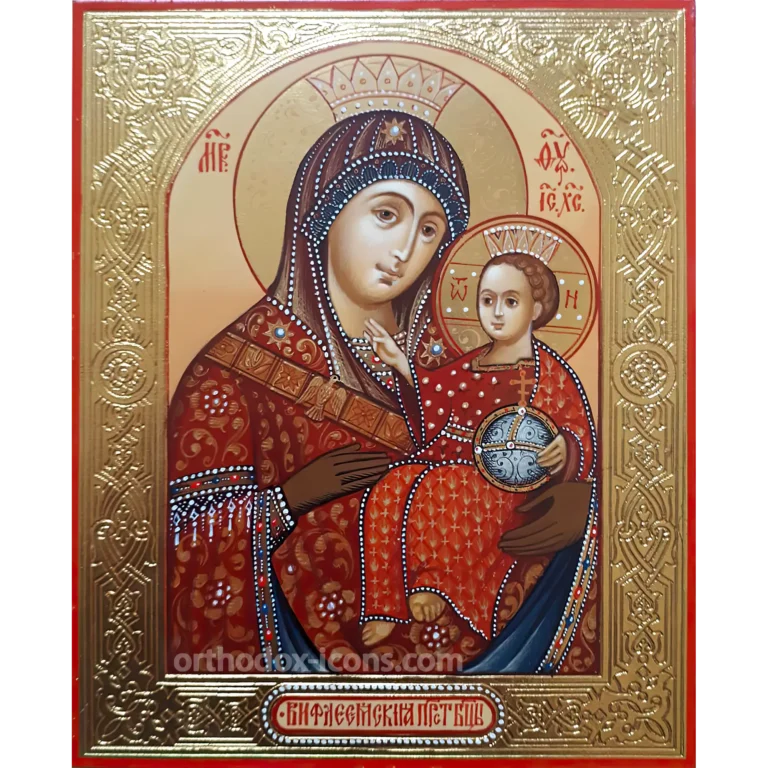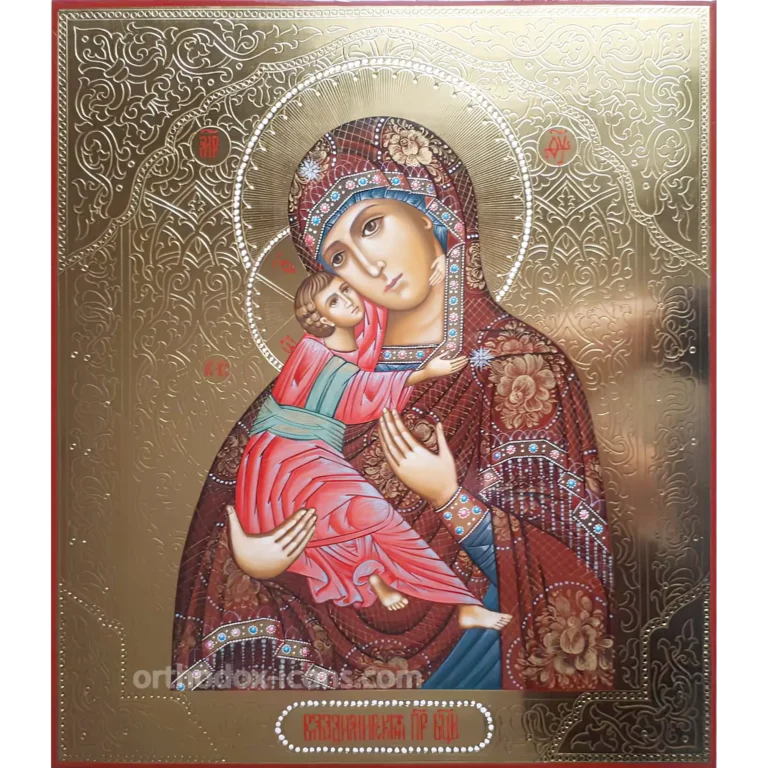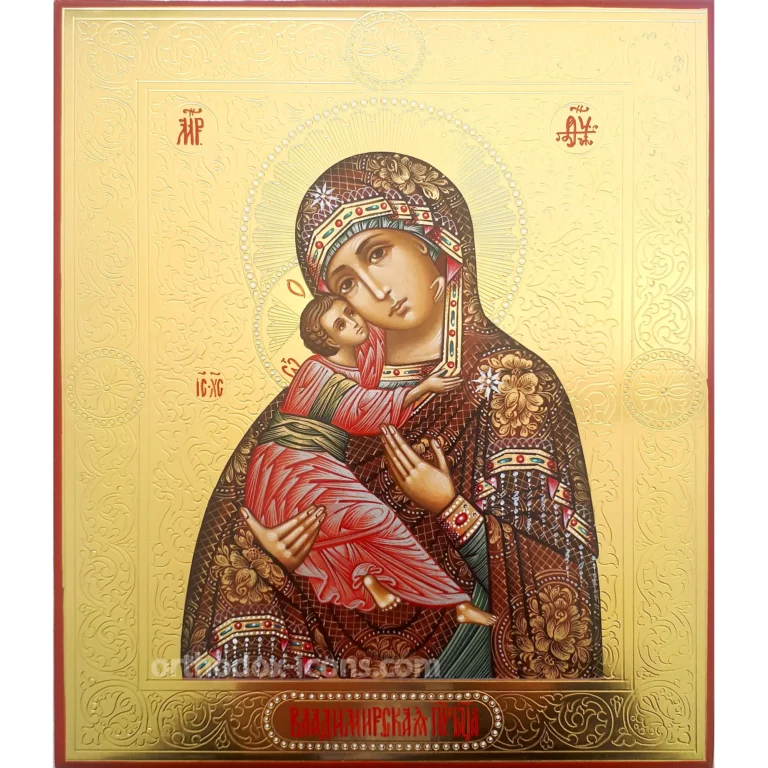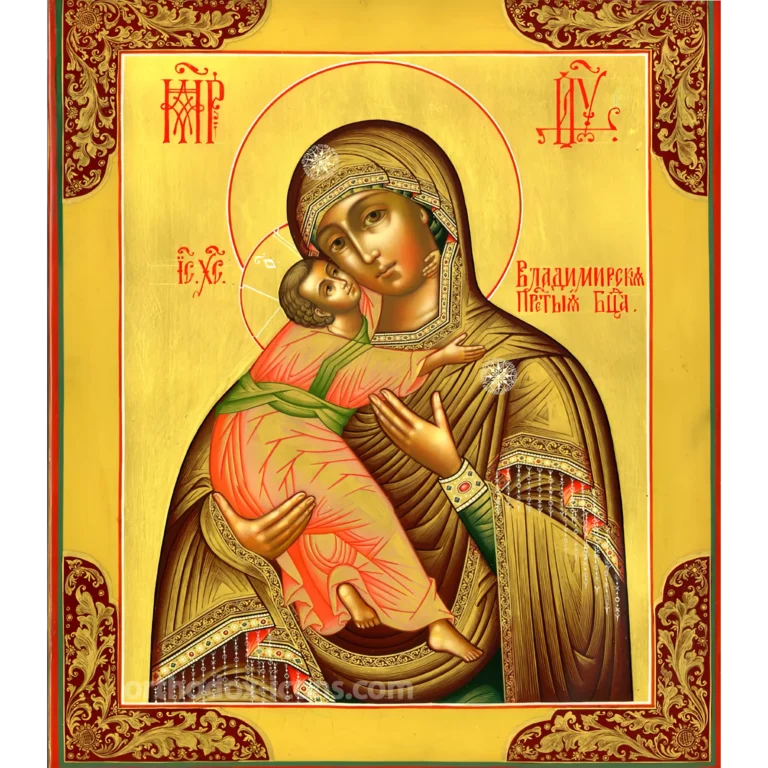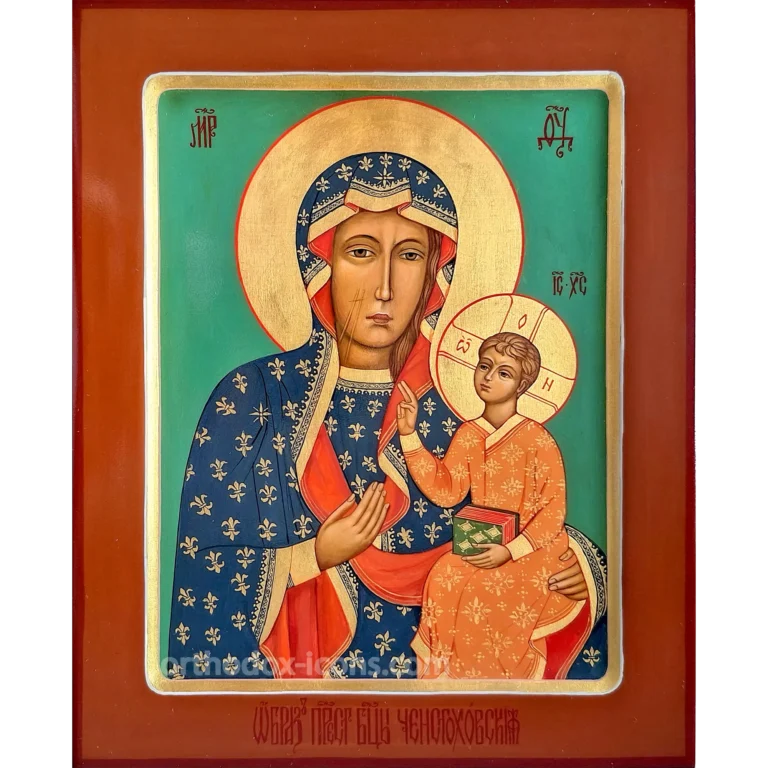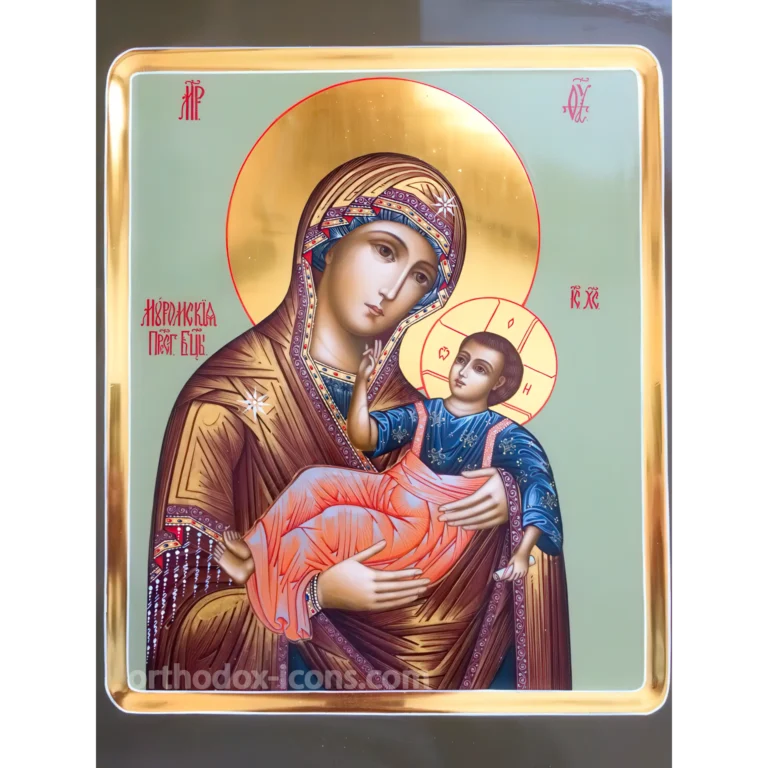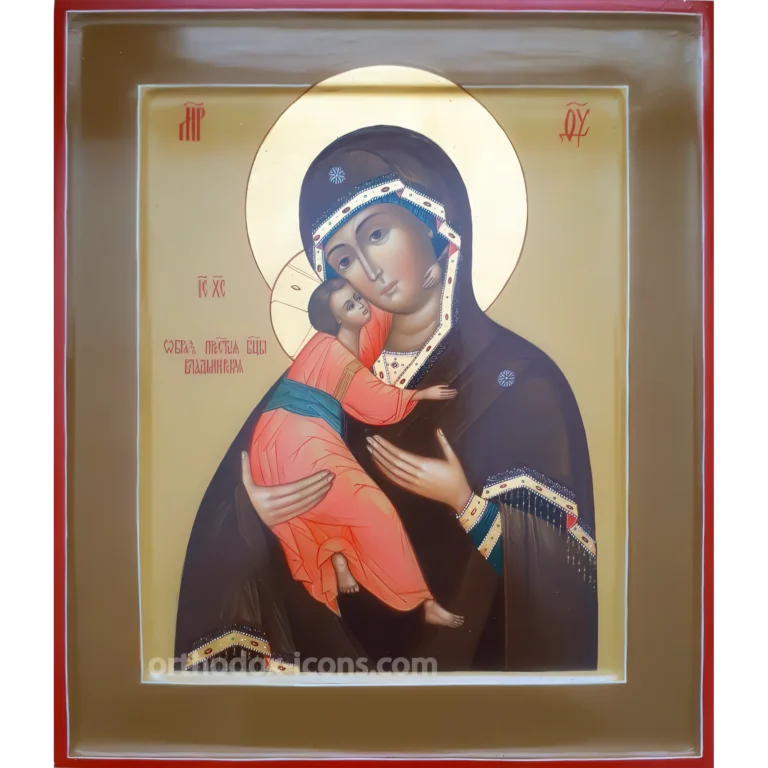
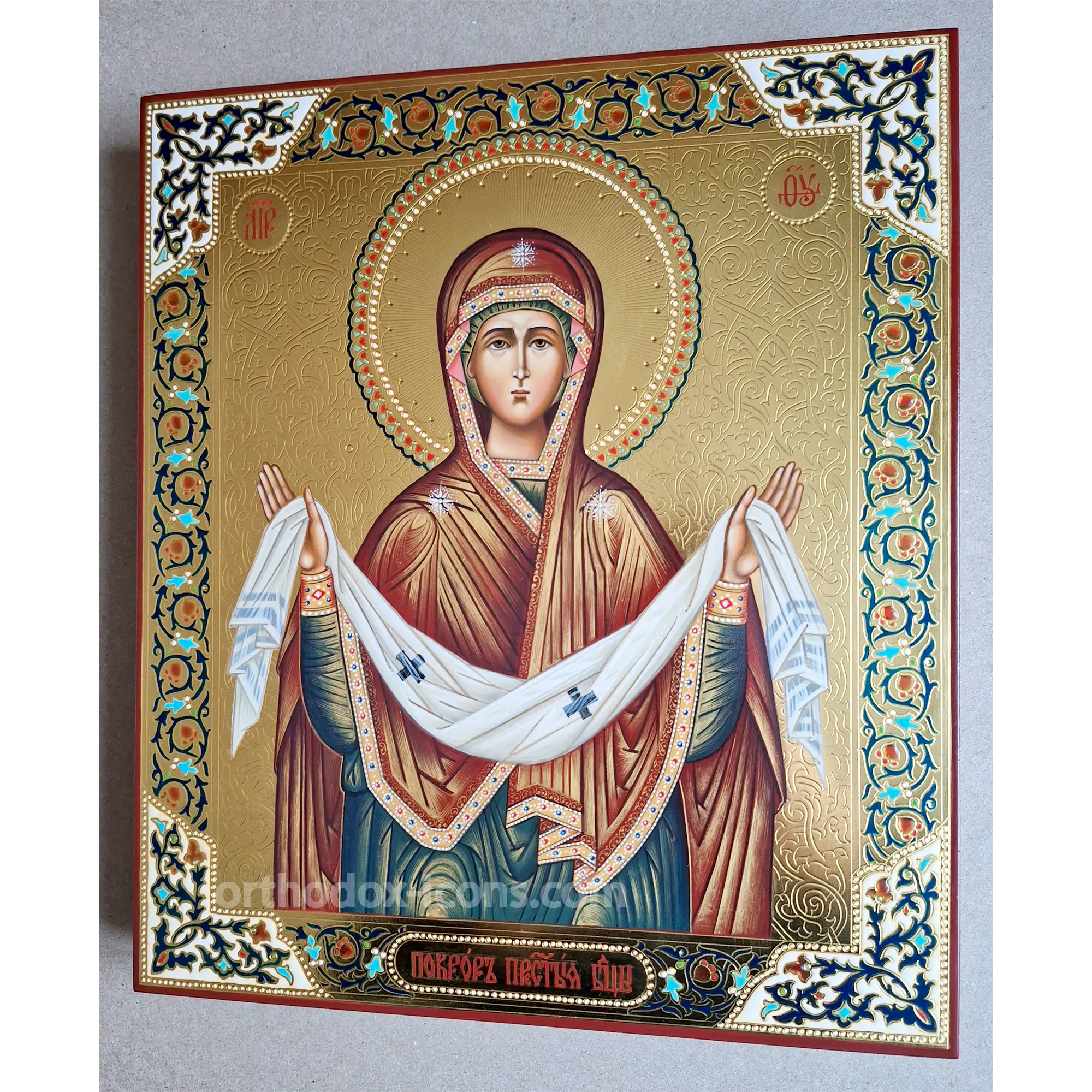
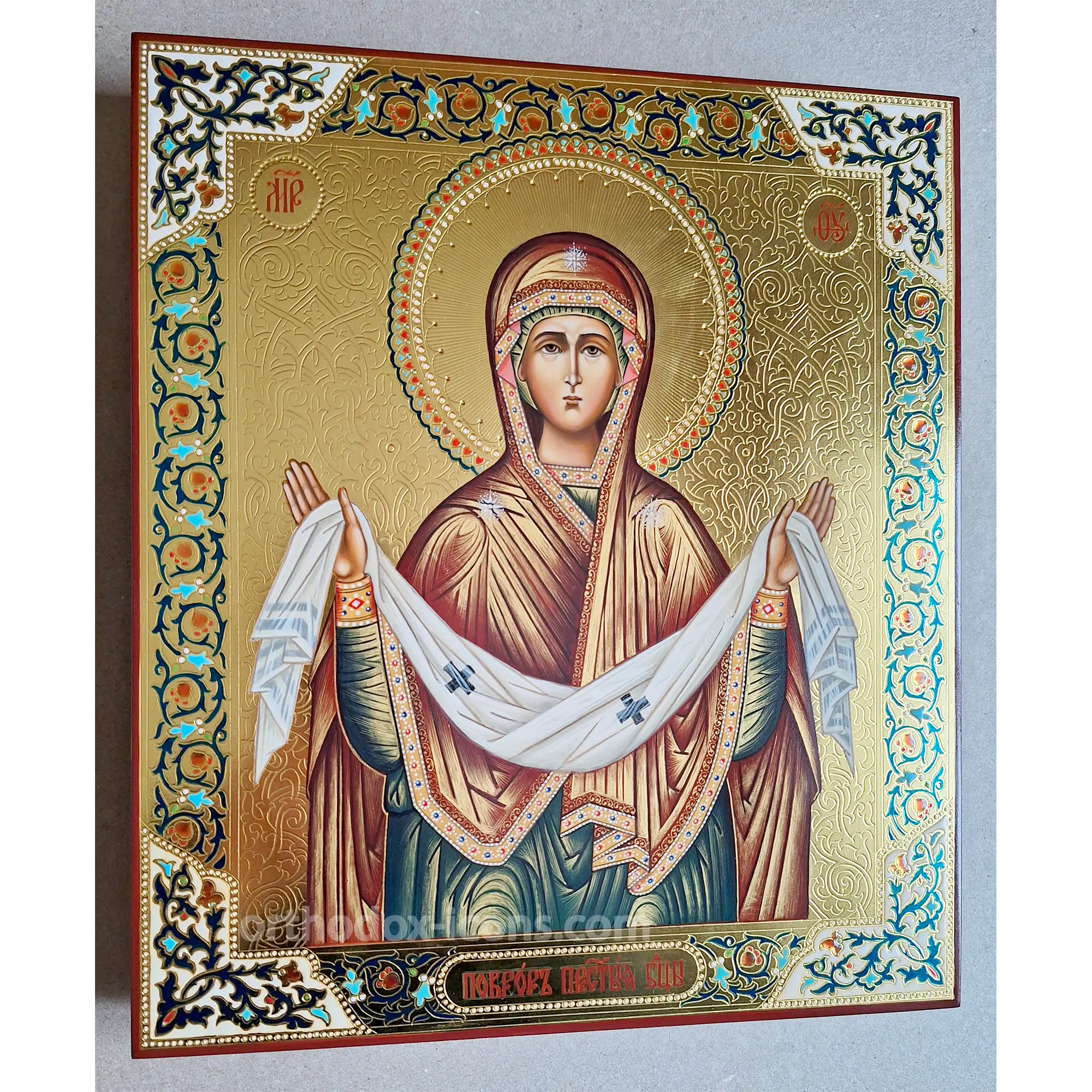
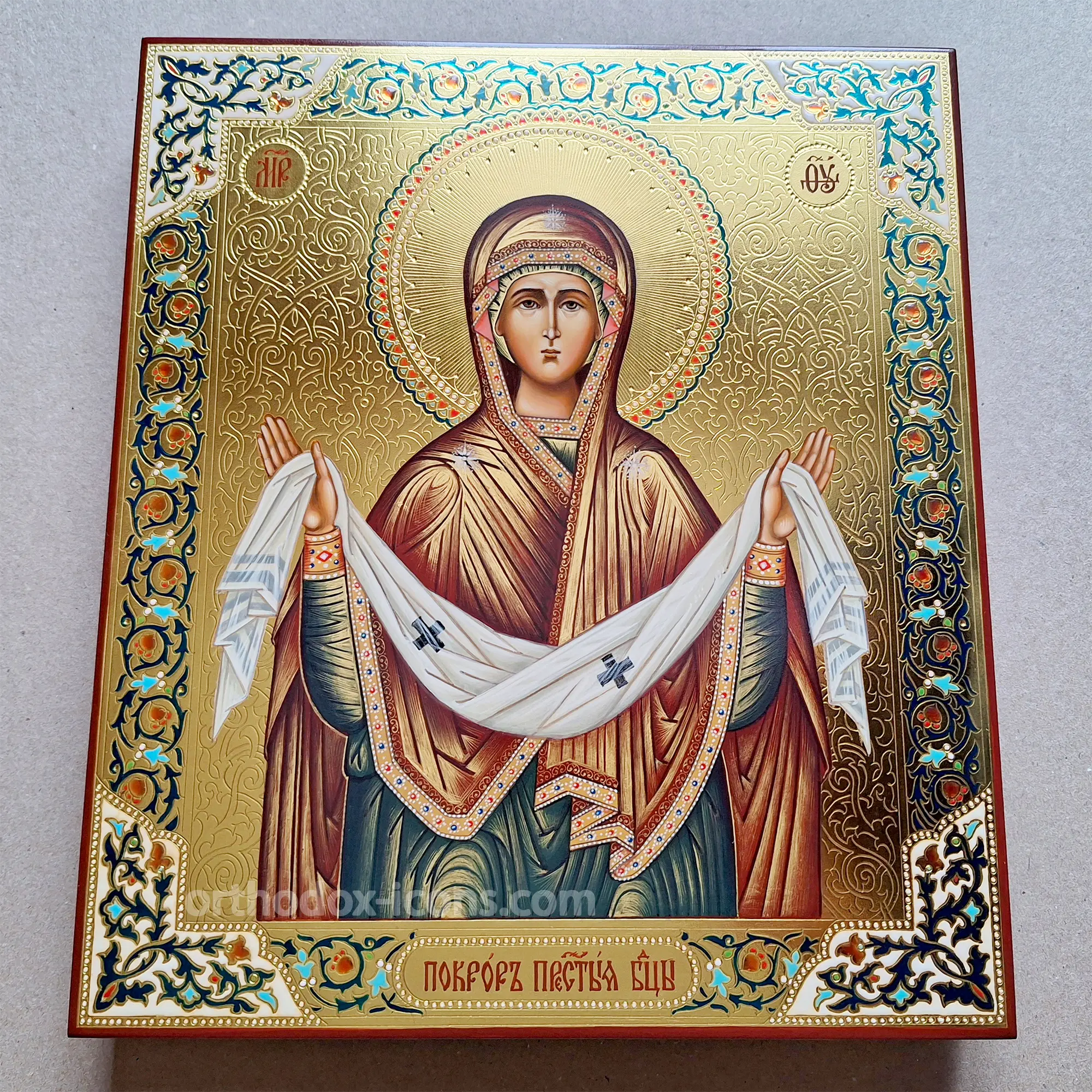
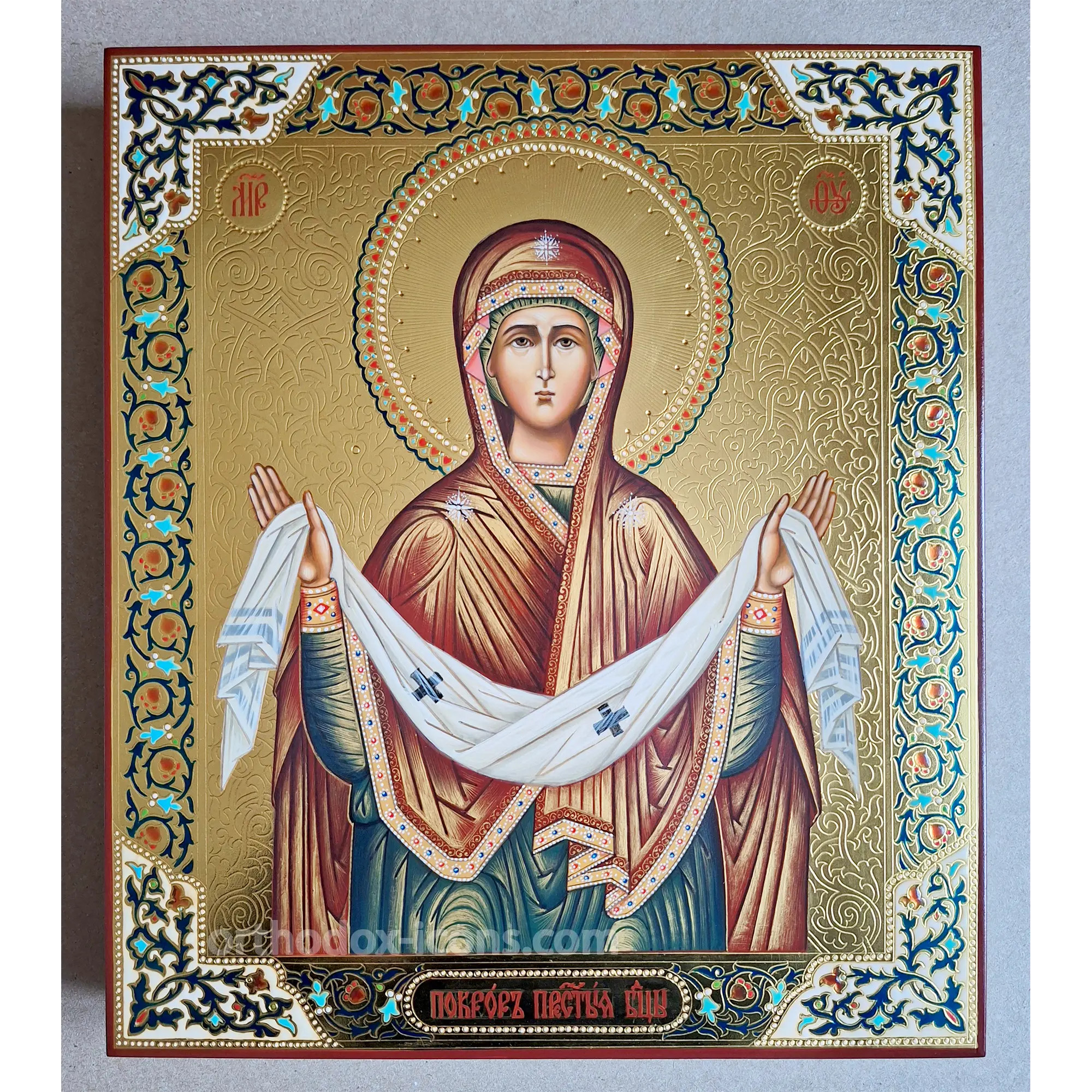
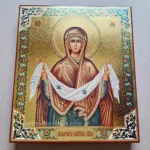
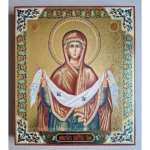
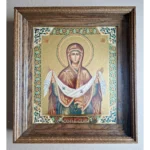
Protection of Virgin Mary Orthodox Icon
Price range: $700 through $2250
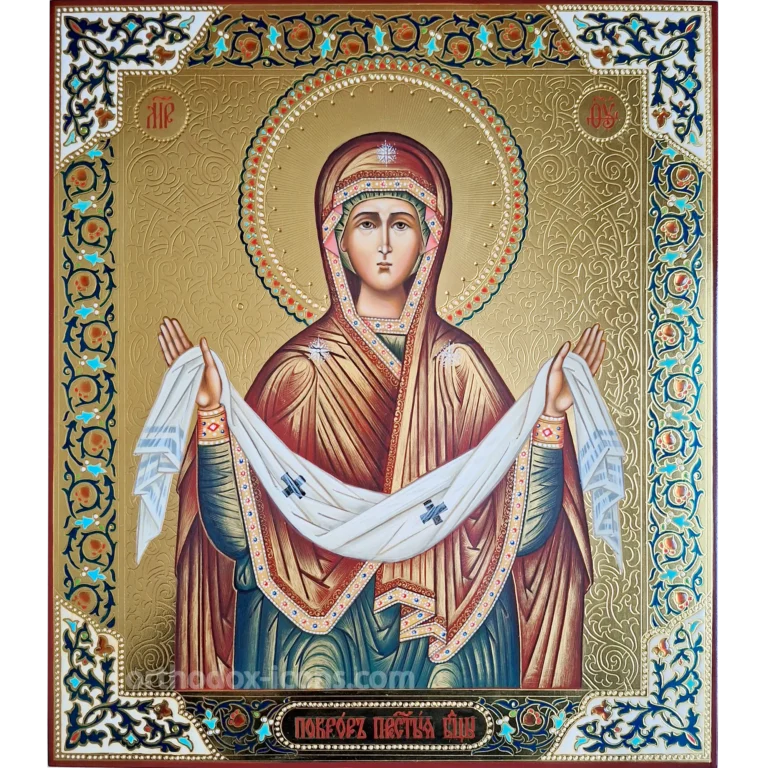
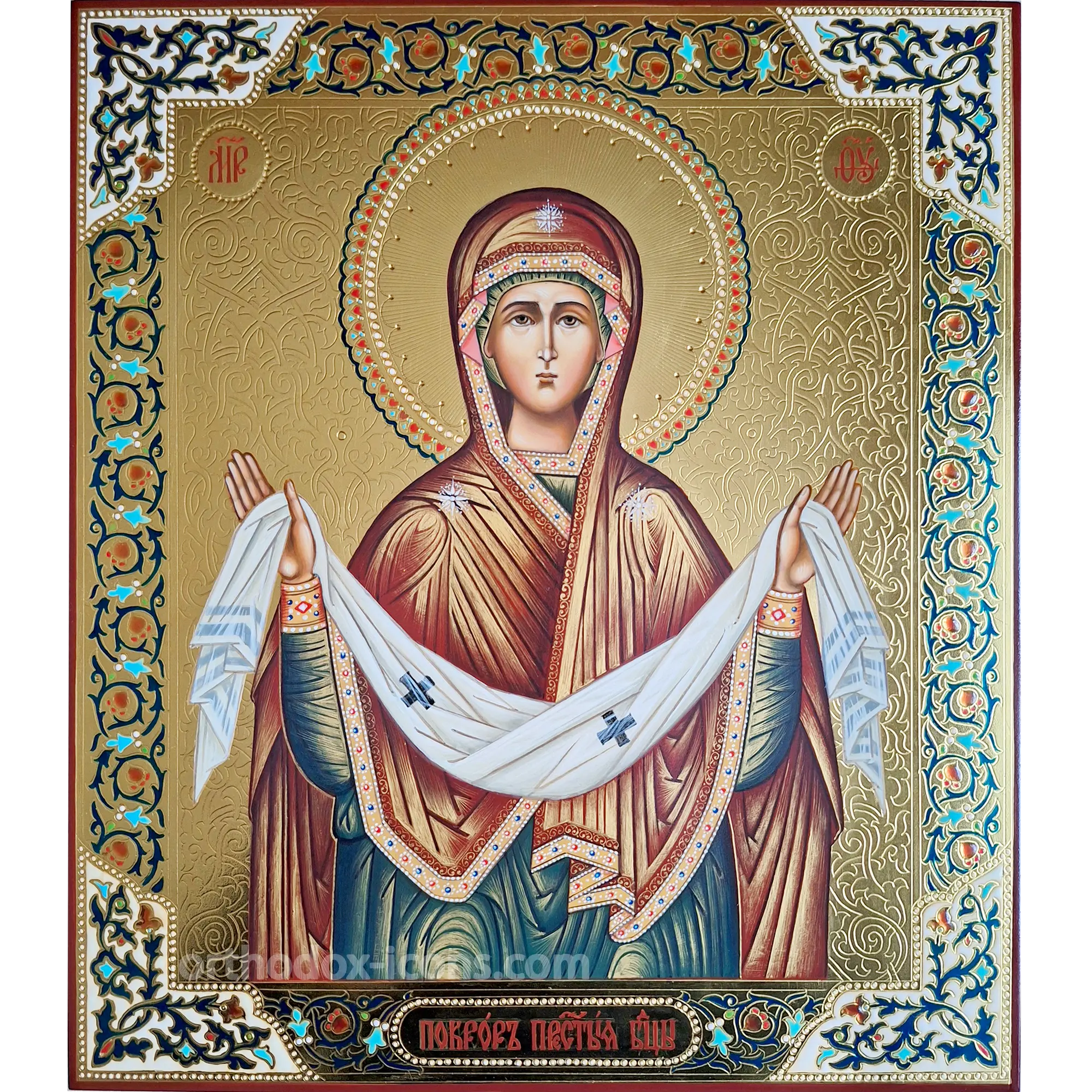
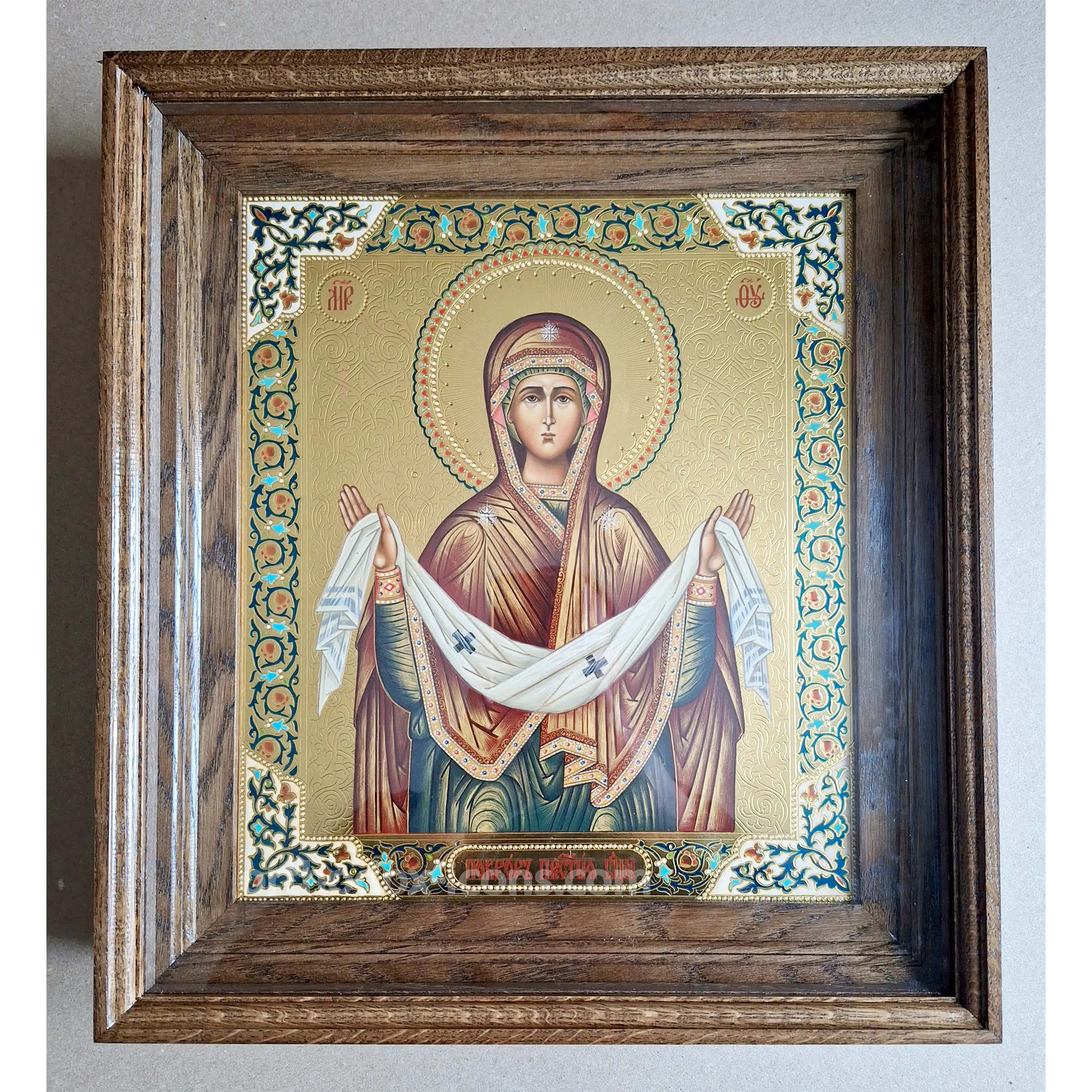
Protection of Virgin Mary Orthodox Icon is a hand-painted feast icon of the Pokrov, showing the Mother of God spreading her radiant veil over the faithful in the Blachernae church.
Available sizes: 17×21 cm (6.7×8.3 in), 20×24 cm (7.9×9.4 in), 27×31 cm (10.6×12.2 in), and 30×40 cm (11.8×15.7 in). Natural mineral egg tempera, 960 gold leaf, linden board with kovcheg, linen, chalk gesso, and oak splines. Free international shipping, with payment after delivery.
It is possible to paint an image in any size to order
Free shipping worldwide
Protection of Virgin Mary Orthodox Icon is a hand-painted Orthodox icon of the great feast of the Protection, or Pokrov, of the Most Holy Theotokos. It shows the Mother of God spreading her radiant veil over the faithful as a sign of prayer, mercy, and spiritual shelter.
This is one of the most beloved icons in Russian Orthodox tradition. It is not only an image of an ancient miracle, but a living symbol of the constant motherly intercession of the Theotokos over the Church, the family, the home, and all who seek refuge in sorrow.
Available sizes: 17×21 cm (6.7×8.3 in), 20×24 cm (7.9×9.4 in), 27×31 cm (10.6×12.2 in), and 30×40 cm (11.8×15.7 in). The icon is painted in natural mineral egg tempera on a linden board with kovcheg, linen, chalk gesso, oak splines, and 960 gold leaf.
The Meaning of the Protection Icon
The word Protection refers to the veil, omophorion, or mantle of the Mother of God. In the miracle remembered by this icon, the Theotokos took her shining veil and spread it over the praying people as a visible sign of her intercession.
For Orthodox Christians, this veil is not understood as a magical object. It is a sign of prayerful covering: the Mother of God stands before Christ on behalf of the faithful, asking for mercy, deliverance, peace, and salvation.
The whole composition is filled with the idea of common prayer. Angels, saints, clergy, rulers, holy fools, and ordinary people are gathered into one act of supplication before God.
The Miracle in the Blachernae Church
The subject of the icon refers to an event that took place in the early tenth century, traditionally dated to 910, in Constantinople, the capital of the Byzantine Empire.
At that time, the city was under terrible threat from enemies. The people gathered in the Blachernae church, where some of the most precious relics of the Mother of God were kept: her robe, belt, and veil.
During the all-night vigil, the faithful prayed with tears. The city seemed to be facing destruction, and human strength was nearly exhausted.
Among those praying were Saint Andrew the Fool-for-Christ and his young disciple Epiphanius. In the fourth hour of the night, Saint Andrew looked upward and saw the Most Holy Theotokos moving through the air, surrounded by heavenly light.
The Vision of the Theotokos
The Mother of God was accompanied by angels and by Saint John the Forerunner and Saint John the Theologian. She approached the ambo, knelt, and prayed with tears to her Son for the salvation of the people.
After her prayer, she removed her radiant veil and spread it over all who stood in the church. The veil shone brighter than sunlight, becoming a visible sign of divine protection.
Saint Andrew asked Epiphanius whether he saw the Queen and Lady of all, praying for the whole world. Epiphanius answered that he saw and trembled.
Soon after the vision, the Mother of God became invisible, but the grace of her presence remained. The city was delivered, and the enemies withdrew.
Why a Byzantine Miracle Became a Russian Feast
One of the striking facts of Church history is that this miracle did not become a major feast in Byzantium itself. In the Greek world, the event was not preserved with the same liturgical importance.
On Russian soil, however, the Protection of the Mother of God became one of the most beloved feasts. Its establishment is connected with the holy prince Andrei Bogolyubsky in the twelfth century.
After reading the life of Saint Andrew the Fool-for-Christ and the account of the Blachernae vision, Prince Andrei was deeply moved. He believed that such a wondrous appearance of the Mother of God should not remain without a feast.
The feast of the Protection was established and is celebrated on October 14 according to the civil calendar, or October 1 according to the old calendar.
The Church of the Protection on the Nerl
Prince Andrei Bogolyubsky also built one of the most beautiful churches in honor of this feast: the Church of the Protection on the Nerl near Vladimir.
This white-stone church became a masterpiece of sacred architecture and a visible sign of how deeply the Russian people received the meaning of the Protection.
From that time, many believers understood the Theotokos as spreading her veil not only over ancient Constantinople, but also over every land, home, and family that calls upon her with faith.
The Two-Tier Composition
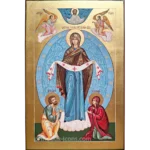
The icon of the Protection is a complex multi-figure composition. Unlike a simple half-length icon of the Mother of God, it shows a whole sacred event with heavenly and earthly participants.
The upper tier represents the heavenly vision. The Mother of God appears in the air against the architectural setting of the Blachernae church. Around her are angels, apostles, prophets, martyrs, and holy people.
The lower tier represents the earthly church gathered in prayer. Here are the faithful, clergy, rulers, Saint Andrew, Epiphanius, and Saint Romanos the Melodist.
This two-tier structure joins heaven and earth in one prayer. The icon shows that the Church on earth is not alone; it is surrounded and strengthened by the heavenly Church.
Suzdal and Novgorod Versions
Two main compositional versions of the Protection icon developed in Russian iconography. They are often called the Suzdal or Moscow version and the Novgorod version.
In the Suzdal version, the Mother of God herself holds the shining veil in her outstretched hands, spreading it over the people.
In the Novgorod version, the Theotokos is shown as Oranta with her hands lifted in prayer, while two flying angels hold the long red veil above her.
Both versions are canonical and beloved. They express the same theology: the Mother of God prays for the world and covers the faithful with her intercession.
Saint Romanos, Saint Andrew, and Epiphanius
In the lower center of the icon, Saint Romanos the Melodist is often shown standing on the ambo in deacon’s vestments and holding a scroll.
Romanos lived centuries before the Blachernae miracle, but his feast is celebrated on the same day, October 1/14. He is one of the great hymnographers of the Church and is associated with hymns to the Mother of God.
In the lower right part of the icon, Saint Andrew the Fool-for-Christ is usually shown in poor clothing, pointing upward to the vision. Beside him stands his disciple Epiphanius.
Their presence reminds the viewer that purity of heart sees what worldly power may miss. The vision was revealed not to the mighty, but to a holy fool and his disciple.
Prayer Before the Protection Icon
The Protection of the Mother of God is one of the most universal icons of shelter and intercession. Orthodox Christians pray before it for protection from visible and invisible enemies, danger, hatred, war, illness, and despair.
It is especially connected with prayer for soldiers and for the homeland. People ask the Mother of God to protect those in military service and to bring them home alive and unharmed.
The icon is also deeply connected with marriage. In Russian tradition, the feast of the Protection marked the beginning of the autumn wedding season. The icon is therefore a meaningful blessing for a wedding or church wedding.
Families pray before this icon for peace in marriage, protection of the home, healing of grief, and strength during illness or loss.
Home Protection and Placement
The Protection icon is often placed in the family icon corner beside icons of Christ and other icons of the Mother of God.
There is also a pious custom of placing it near the entrance or above the door, asking the Theotokos to shelter the household from evil, theft, disaster, envy, and destructive influence.
Its meaning is especially close to those who want the home to be not only physically safe, but spiritually peaceful.
Materials and Icon-Painting Technique
The icon is painted on a solid linden board. The board is prepared with a kovcheg, linen, and many layers of chalk gesso. Oak splines are inserted into the back to help protect the board from warping.
The painting is executed in natural mineral egg tempera. Ground mineral pigments are mixed with egg medium, giving the image clarity, durability, and depth of color.
The background and halos are covered with true 960 gold leaf, symbolizing divine light. The garments may be enriched with gold assist and delicate ornamental detail.
Because the Protection icon includes many figures and architectural elements, it requires careful miniature work and a clear hierarchy of the composition.
Icon Characteristics
| Name | Protection of Virgin Mary Orthodox Icon |
| Feast | Protection, or Pokrov, of the Most Holy Theotokos |
| Subject | The vision in the Blachernae church and the veil of the Mother of God |
| Available sizes | 17×21 cm (6.7×8.3 in), 20×24 cm (7.9×9.4 in), 27×31 cm (10.6×12.2 in), 30×40 cm (11.8×15.7 in) |
| Composition | Two-tier multi-figure feast icon with heavenly and earthly participants |
| Gold | 960 gold leaf on background and halos |
| Painting | Natural mineral egg tempera |
| Board | Linden board with kovcheg, linen, chalk gesso, and oak splines |
| Purpose | Protection of the home, wedding blessing, prayer for soldiers, consolation in illness and grief |
Care and Preservation
The icon should be protected from moisture, heat, direct sunlight, and sudden humidity changes. Do not wash it with water, wipe it with damp cloths, or use household cleaners.
Dust may be removed only with a very soft dry brush. Because the icon contains many small figures, gold, and fine architectural detail, a glazed wooden kiot is recommended for long-term protection.
Ordering, Shipping, and Payment
Available sizes are 17×21 cm (6.7×8.3 in), 20×24 cm (7.9×9.4 in), 27×31 cm (10.6×12.2 in), and 30×40 cm (11.8×15.7 in). Larger church and iconostasis formats may be discussed individually. Free international shipping is included, with payment after delivery.
Questions and Answers
What does Protection mean in this icon?
Protection refers to the omophorion or veil of the Mother of God, which she spread over the faithful as a sign of her intercession and spiritual shelter.
What event is shown in the Protection of the Virgin Mary icon?
The icon shows the vision in the Blachernae church of Constantinople, where the Mother of God appeared during prayer and covered the people with her shining veil.
Who is Saint Andrew the Fool-for-Christ?
Saint Andrew was the holy man who saw the Theotokos in the church and pointed out the vision to his disciple Epiphanius.
Who is shown in the center with a scroll?
Saint Romanos the Melodist is often shown in the lower center with a scroll, because his feast is celebrated on the same day and he is connected with Marian hymnography.
Can this icon be given as a wedding gift?
Yes. The Protection icon is a meaningful Orthodox wedding or housewarming gift, asking the Mother of God to shelter the family in peace and fidelity.
What is the difference between the Suzdal and Novgorod versions?
In the Suzdal version the Mother of God holds the veil herself; in the Novgorod version she raises her hands in prayer while angels hold the veil above her.
What sizes are available?
Available sizes are 17×21 cm (6.7×8.3 in), 20×24 cm (7.9×9.4 in), 27×31 cm (10.6×12.2 in), and 30×40 cm (11.8×15.7 in).
What materials are used?
The icon is painted in natural mineral egg tempera on a linden board with kovcheg, linen, chalk gesso, oak splines, and 960 gold leaf.
Where is this icon placed in a home?
It may be placed in the family icon corner or near the entrance as a prayerful sign of protection for the home.
How are shipping and payment arranged?
Free international shipping is included, with payment after delivery.
| Dimensions | 17x21cm (6.7×8.3 in), 20x24cm (7.9×9.4 in), 27x31cm (10.6×12.2 in), 30x40cm (11.8×15.7 in) |
|---|---|
| Name | Mary |