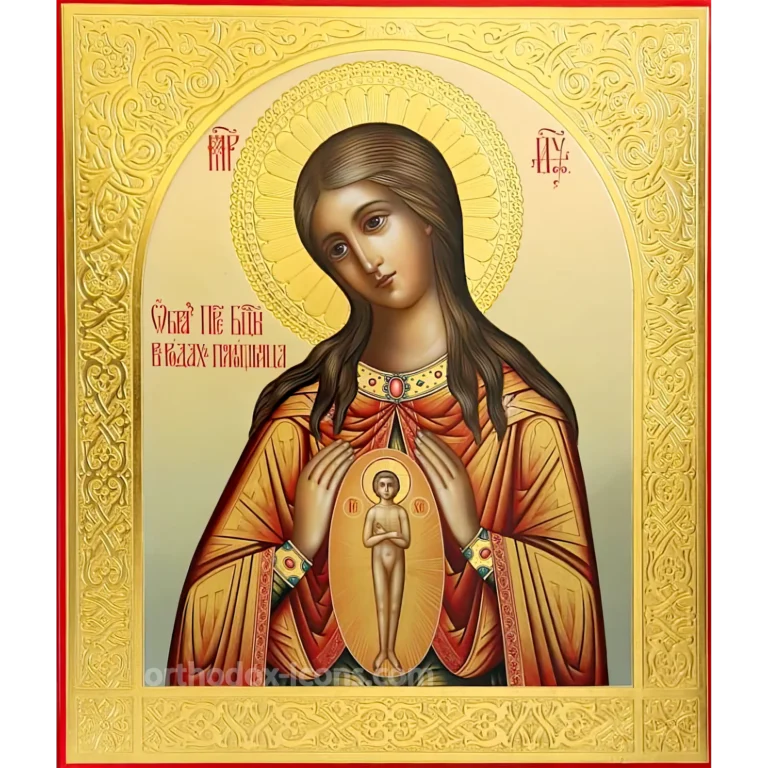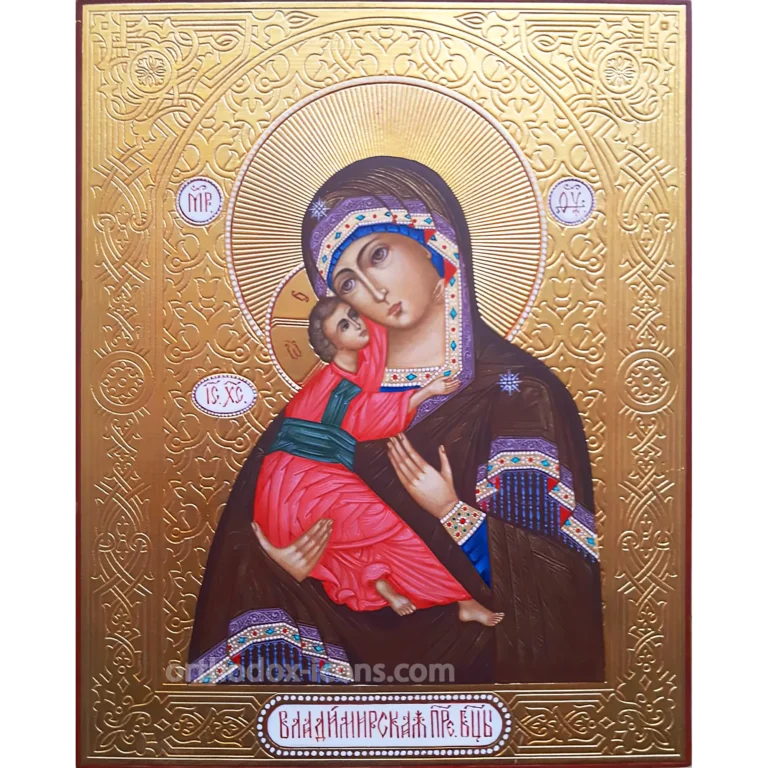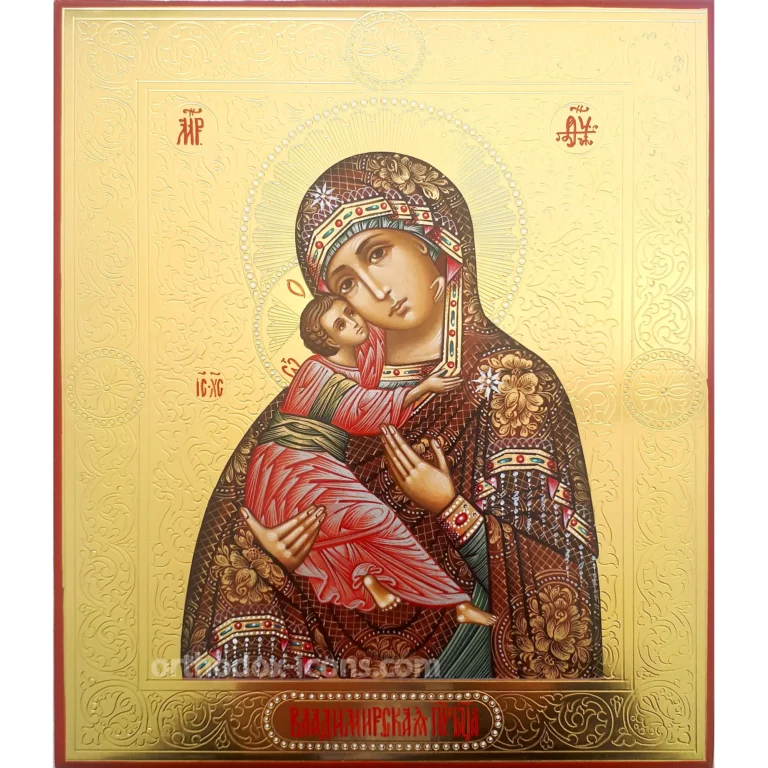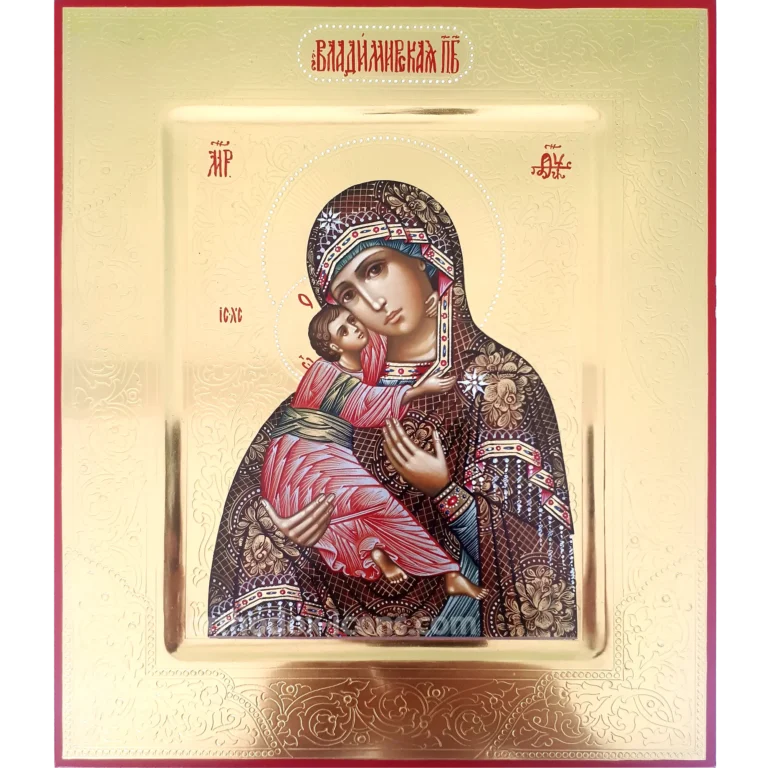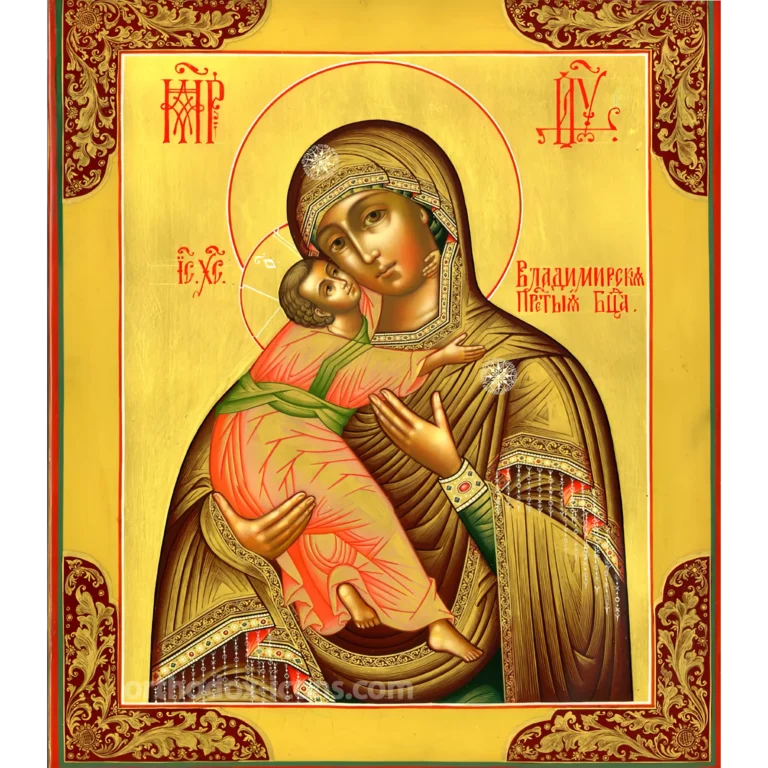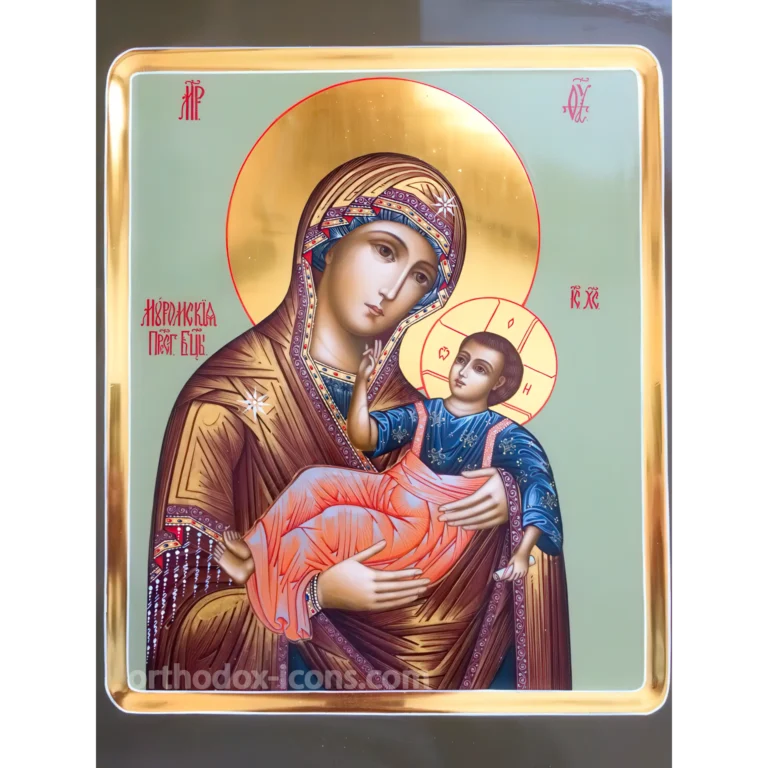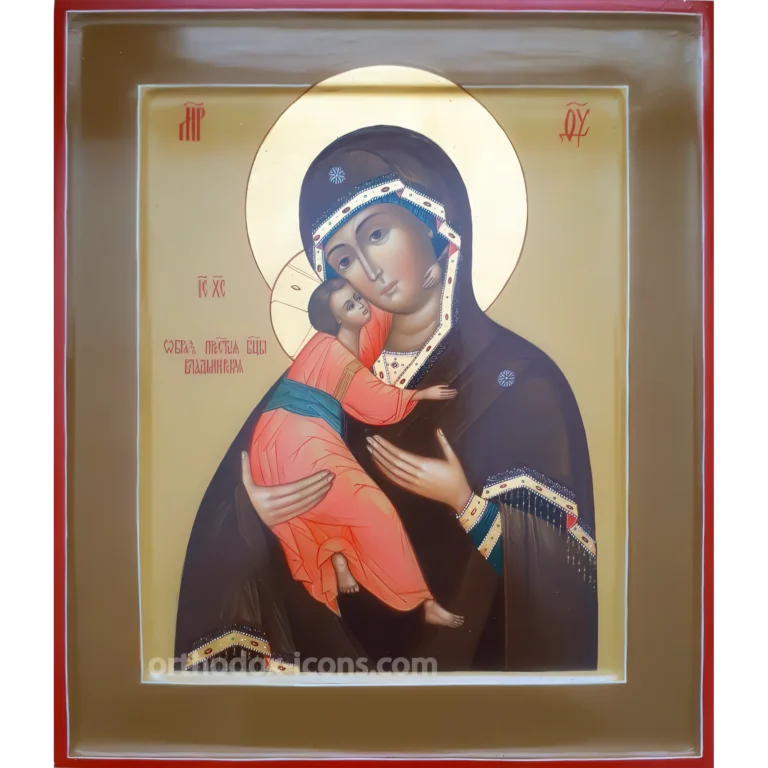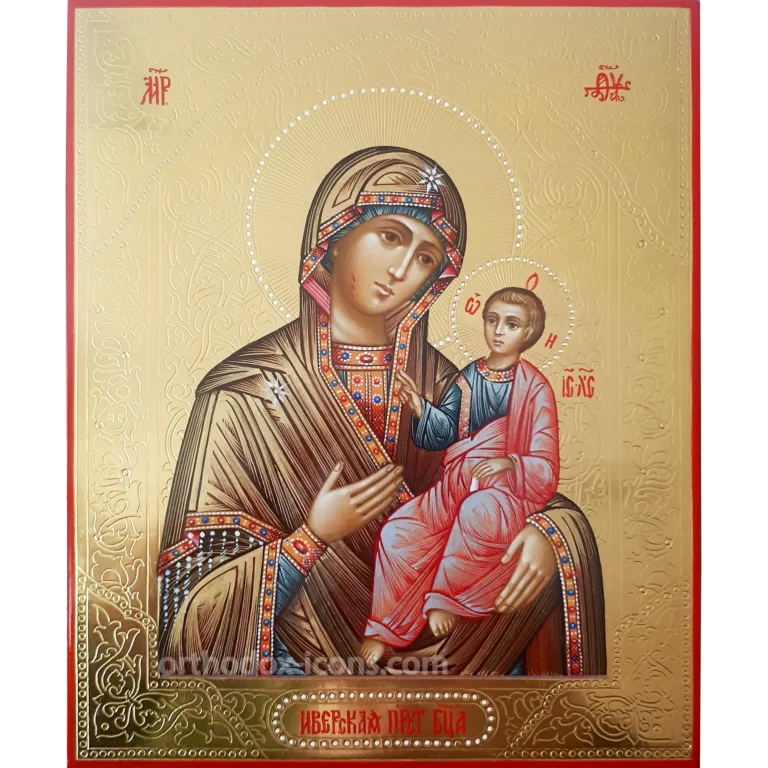
The Burning Bush Orthodox Icon
$1750
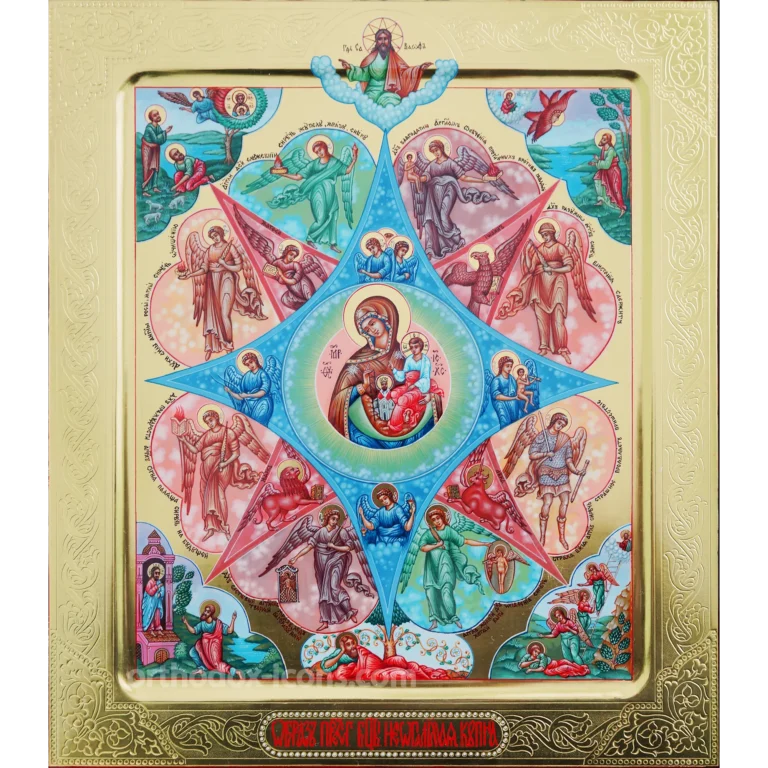
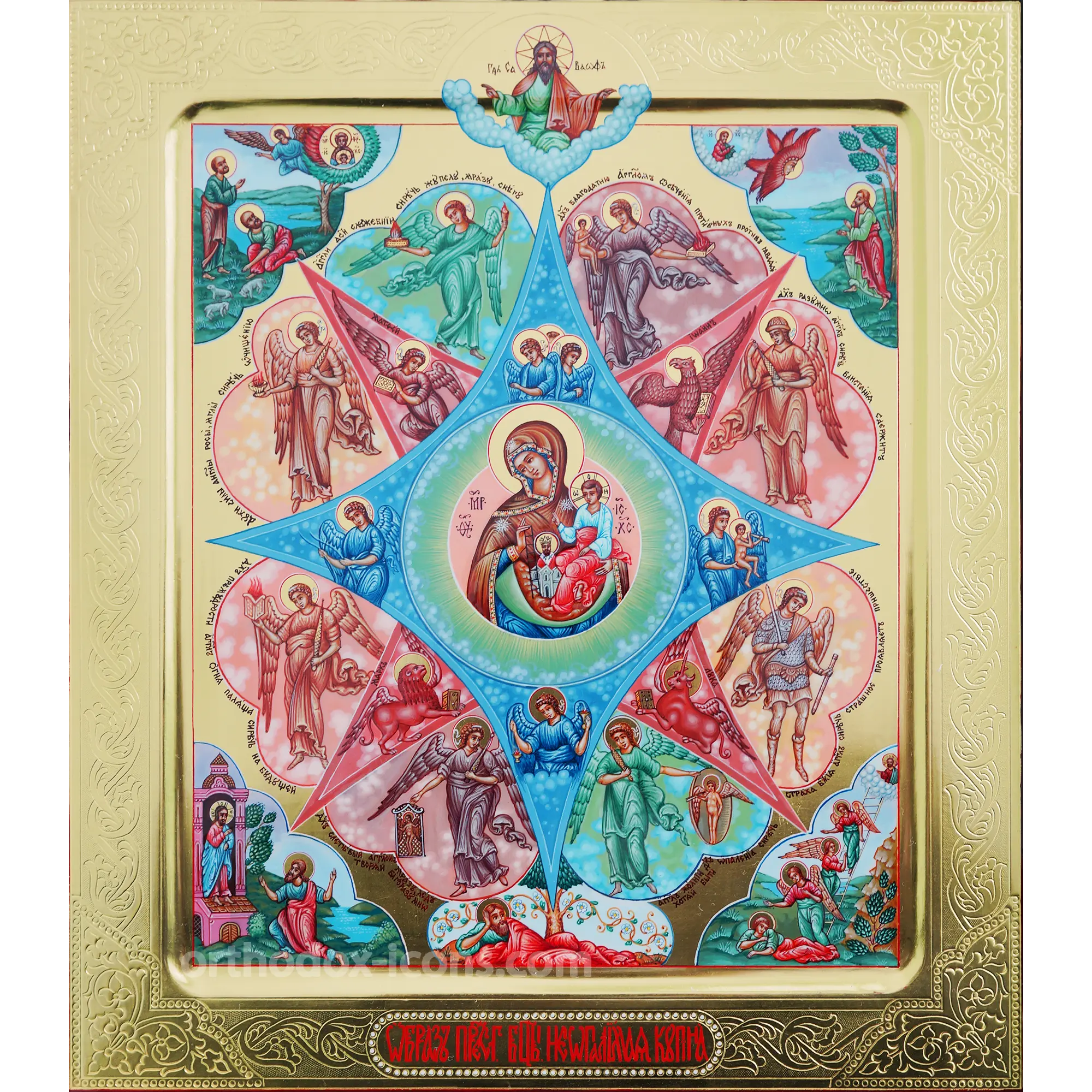
The Burning Bush Orthodox Icon is a hand-painted icon of the Mother of God of the Burning Bush, a deeply symbolic Orthodox image of the Incarnation, protection of the home, and heavenly powers.
Available size: 27×31 cm (10.6×12.2 in); larger formats by agreement. Painted on a linden board with kovcheg, linen, chalk gesso, oak splines, natural mineral egg tempera, 23K gold leaf (960 purity), cold enamel, and protective varnish. Free international shipping, with payment after delivery.
It is possible to paint an image in any size to order
Free shipping worldwide
The Burning Bush Orthodox Icon is one of the most symbolically rich and compositionally complex icons of the Mother of God. It unites the Old Testament vision of Moses, the mystery of the Incarnation, the ever-virginity of the Theotokos, the heavenly powers, and the prayerful protection of the home.
In Orthodox devotion, the Burning Bush icon is especially venerated as a protector from fire, lightning, natural disasters, and sudden danger. Yet its meaning is deeper than protection alone. The icon speaks about the Virgin Mary receiving the divine Fire, Christ Himself, without being consumed and without losing her virginal purity.
This hand-painted version is made in the traditional technique on a linden board with kovcheg. It includes 23K gold leaf (960 purity), cold enamel details, natural mineral egg tempera, and hand-painted miniature scenes and angelic figures. The listed size is 27×31 cm (10.6×12.2 in).
The Biblical Meaning of the Burning Bush
The name of the icon comes from the great event described in the Book of Exodus. The Prophet Moses, while tending sheep near Mount Horeb, saw a wondrous sight: a thorn bush was engulfed in bright flame, yet the bush was not consumed.
When Moses drew near, he heard the voice of God calling him to lead the people of Israel out of Egyptian bondage. This Old Testament vision became one of the most important prophetic images for Christian theology.
The burning but unconsumed bush was understood as a foreshadowing of the Most Holy Theotokos. Just as the bush received fire and remained unharmed, the Virgin Mary received within herself the Fire of Divinity, Jesus Christ, and remained pure.
For this reason, the icon is not only a protective image. It is a theological confession of the Incarnation: the Son of God truly took flesh from the Virgin, while she remained ever-virgin before, during, and after the Nativity.
The Burning Bush in Orthodox Tradition
Copies of the Burning Bush icon came to Russia through pilgrims from Palestine in the fourteenth century. Over time, the image became widely known and deeply loved among Orthodox Christians.
Many accounts in church memory connect the icon with help during city fires. When flames threatened homes and whole districts, people would carry the Burning Bush icon in prayer, asking the Mother of God to intercede before Christ and turn away destruction.
This history shaped the icon’s special place as a guardian of the home. It is often placed in a family prayer corner, near the entrance, or in a central room where the family gathers.
The icon is also meaningful for those whose work is connected with danger: firefighters, rescue workers, soldiers, pilots, and people exposed to natural or technical hazards.
A Complex Iconographic Composition
The Burning Bush belongs to the most symbolically dense Orthodox icons. It is sometimes called a whole cosmos in color, because the image gathers together the Mother of God, Christ, angels, elements of creation, Evangelist symbols, and Old Testament prophecies.
At the center is the Most Holy Theotokos with the Christ Child. Around them is an eight-pointed star formed by the crossing of two diamond shapes with curved sides.
The red diamond signifies the fire seen by Moses and the divine Fire of God. The green or blue diamond signifies the living bush, the purity of the Virgin Mary, the freshness of life, and the paradise-like mystery of creation touched by God.
This layered structure gives the icon its distinctive visual power. The viewer is drawn first to the Mother of God and Christ, then outward into the heavenly and prophetic world surrounding them.
Symbols of the Evangelists and Heavenly Powers
In the rays of the red form, the icon traditionally includes the symbols of the four Evangelists mentioned in biblical imagery: the Angel for Matthew, the Eagle for John, the Ox for Luke, and the Lion for Mark.
These symbols proclaim that through the Nativity of Christ the Gospel went out to the four corners of the world. The Incarnation is therefore not a private event, but the beginning of salvation announced to all creation.
Around the central star are angels and archangels connected with the powers of the created world. The icon may show angels of fire, water, wind, thunder, lightning, plant growth, and the movement of the heavenly bodies.
This does not mean that nature is independent of God. On the contrary, the icon shows that every force in creation is under divine authority and serves the Creator.
Old Testament Prophecies in the Corners
The corners of the Burning Bush icon often contain Old Testament scenes that foreshadow the Mother of God and the Incarnation of Christ. These miniature scenes require fine, careful painting because each has its own theological meaning.
Moses before the Burning Bush points directly to the title of the icon. The unconsumed bush is a sign of the Virgin who receives divine Fire and remains untouched by corruption.
Jacob’s Ladder, reaching from earth to heaven, signifies that through the Theotokos God came down to mankind and opened the way from earth to heaven.
The closed gate seen by the Prophet Ezekiel is another sign of the ever-virginity of the Mother of God: the Lord passes through the gate, and the gate remains shut.
The Tree of Jesse, or other prophetic images depending on the particular version, points to the human lineage of Christ and to the fulfillment of the promises made to Israel.
Prayer Before the Burning Bush Icon
Orthodox Christians pray before the Burning Bush icon for protection of the home from fire, lightning, destructive weather, and sudden disaster. It is often given for a new home as a prayerful sign of blessing and preservation.
The icon is also approached in prayer for people who work in dangerous conditions, including firefighters, emergency workers, military personnel, and those who travel or serve in unstable circumstances.
Because the image speaks of fire that does not destroy, it is also connected with prayers for healing from illness accompanied by fever, burning pain, or inner distress.
On a spiritual level, the icon is a call to be purified without being destroyed: to ask the Mother of God for help against passions, anger, fear, despair, and everything that burns the soul.
Feast Day and Placement in the Home
The Orthodox Church commemorates the Burning Bush icon on September 17, or September 4 according to the old calendar. On this day, prayers are traditionally offered asking the Mother of God to protect homes from fire and disaster.
The icon may be placed in the family icon corner, alongside other icons of Christ, the Mother of God, and the saints. It may also be kept near the entrance or in the main room of the house.
These placement customs are not mechanical rules. The most important thing is that the icon be treated reverently and used for prayer, not as a talisman or decorative object.
Materials and Traditional Technique
The icon is painted on a linden board. Linden is valued in icon painting because it is stable, workable, and suitable for a carefully prepared traditional ground.
The board includes a kovcheg and oak splines. Linen is applied to the surface, followed by multiple layers of chalk gesso. After drying, the gesso is polished to a smooth, luminous surface that gives the painted colors inner clarity.
The painting is executed in natural egg tempera. Mineral pigments such as ochres, cinnabar tones, malachite greens, and deep blues are mixed with egg medium. Over time, traditional tempera becomes strong and unified with the ground.
The icon also uses 23K gold leaf (960 purity), cold enamel details, and protective varnish. Gold may appear in the halos, background, assist lines, and ornamental elements, symbolizing divine light rather than material luxury alone.
Miniature Detail and Mstyora-Style Precision
The Burning Bush icon requires exceptional precision. The composition contains many small figures, signs, rays, inscriptions, and prophetic scenes. Each element must remain readable while still belonging to the unified whole.
The Mstyora tradition is especially suited to this type of icon because it values fine miniature painting, subtle line work, rich ornament, and disciplined theological composition.
In a size of 27×31 cm (10.6×12.2 in), the icon still allows for careful detail while remaining suitable for a home prayer corner. Larger church and iconostasis formats may be discussed individually when a more monumental reading of the image is needed.
Icon Characteristics
| Name | The Burning Bush Orthodox Icon |
| Subject | Mother of God of the Burning Bush |
| Main meaning | The Incarnation, ever-virginity of the Theotokos, protection of the home, and the heavenly order of creation |
| Composition | Mother of God and Christ in an eight-pointed star, with angels, Evangelist symbols, and prophetic scenes |
| Available size | 27×31 cm (10.6×12.2 in); larger formats by agreement |
| Board | Linden board with kovcheg, linen, chalk gesso, and oak splines |
| Painting | Natural mineral egg tempera |
| Decoration | 23K gold leaf (960 purity), cold enamel, and fine hand-painted ornament |
| Feast day | September 17 / September 4 old style |
| Purpose | Home protection, new home gift, family shrine, prayer in danger, and protection from fire |
Care and Preservation
The icon should be protected from moisture, direct heat, strong sunlight, and sudden humidity changes. Do not wash the icon, wipe it with a damp cloth, or use chemical cleaners on the gold, enamel, or tempera surface.
Dust may be removed only with a very soft dry brush. A glazed kiot is recommended for long-term protection, especially because this icon contains many small painted details and gold ornament.
Ordering, Shipping, and Payment
The listed size is 27×31 cm (10.6×12.2 in). Larger church and iconostasis formats may be discussed individually. Free international shipping is included, with payment after delivery.
Questions and Answers
What is the main meaning of The Burning Bush Orthodox Icon?
The icon reveals the mystery of the Incarnation: as the bush burned without being consumed, the Virgin Mary bore the divine Fire, Christ, and remained ever-virgin.
Why is this icon associated with protection from fire?
In Orthodox tradition, the Burning Bush icon is especially venerated as a protector of homes from fire, lightning, disasters, and destructive natural forces.
What is shown in the center of the icon?
The Mother of God with Christ is placed in the center of an eight-pointed star formed by interwoven red and green or blue diamond shapes.
What do the red and green shapes mean?
The red shape symbolizes divine fire and the flame seen by Moses, while the green or blue shape represents the bush itself and the untouched purity of the Theotokos.
Why are there many angels and symbols around the center?
They show the heavenly powers and the elements of creation serving God and honoring the Mother of God within a richly symbolic Orthodox cosmos.
What Old Testament scenes may appear in the corners?
The icon may include Moses before the Burning Bush, Jacob’s Ladder, Ezekiel’s closed gate, the Tree of Jesse, or other prophetic images of the Theotokos.
What size is listed for this icon?
The listed size is 27×31 cm (10.6×12.2 in). Larger church or iconostasis formats may be discussed individually.
What materials are used?
The icon is painted on a linden board with kovcheg, linen, chalk gesso, oak splines, natural egg tempera, 23K gold leaf (960 purity), cold enamel, and protective varnish.
When is the feast day of the Burning Bush icon?
The feast of the Burning Bush icon is celebrated on September 17, or September 4 according to the old calendar.
How are shipping and payment arranged?
Free international shipping is included, with payment after delivery.
| Dimensions | 27x31cm (10.6×12.2 in) |
|---|---|
| Name | Mary |