Simeon of Verkhoturye Orthodox Icon
$1500
Available sizes: 27×31 cm (10.6×12.2 in), 30×40 cm (11.8×15.7 in); iconostasis formats can be made by individual request.
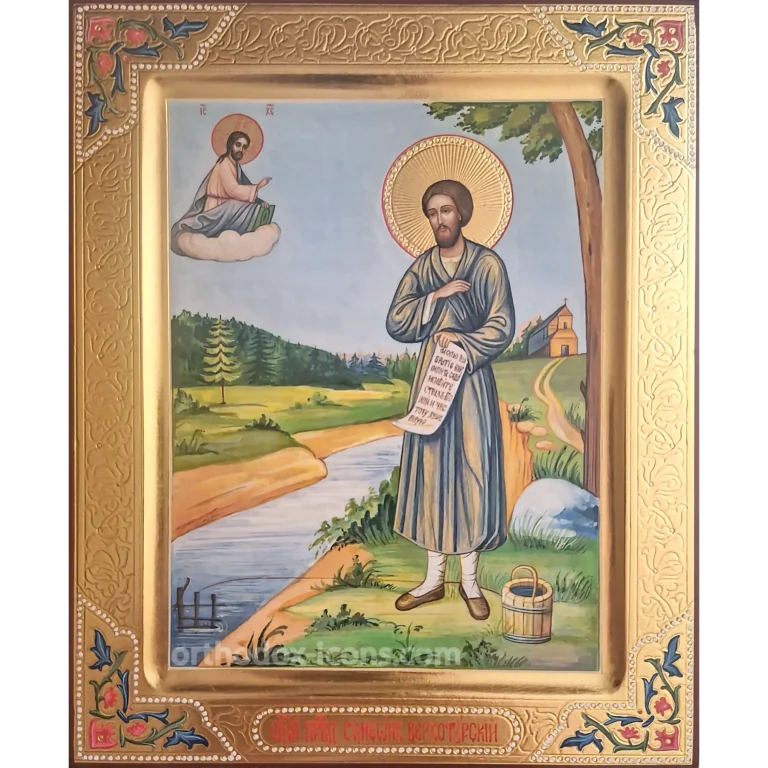
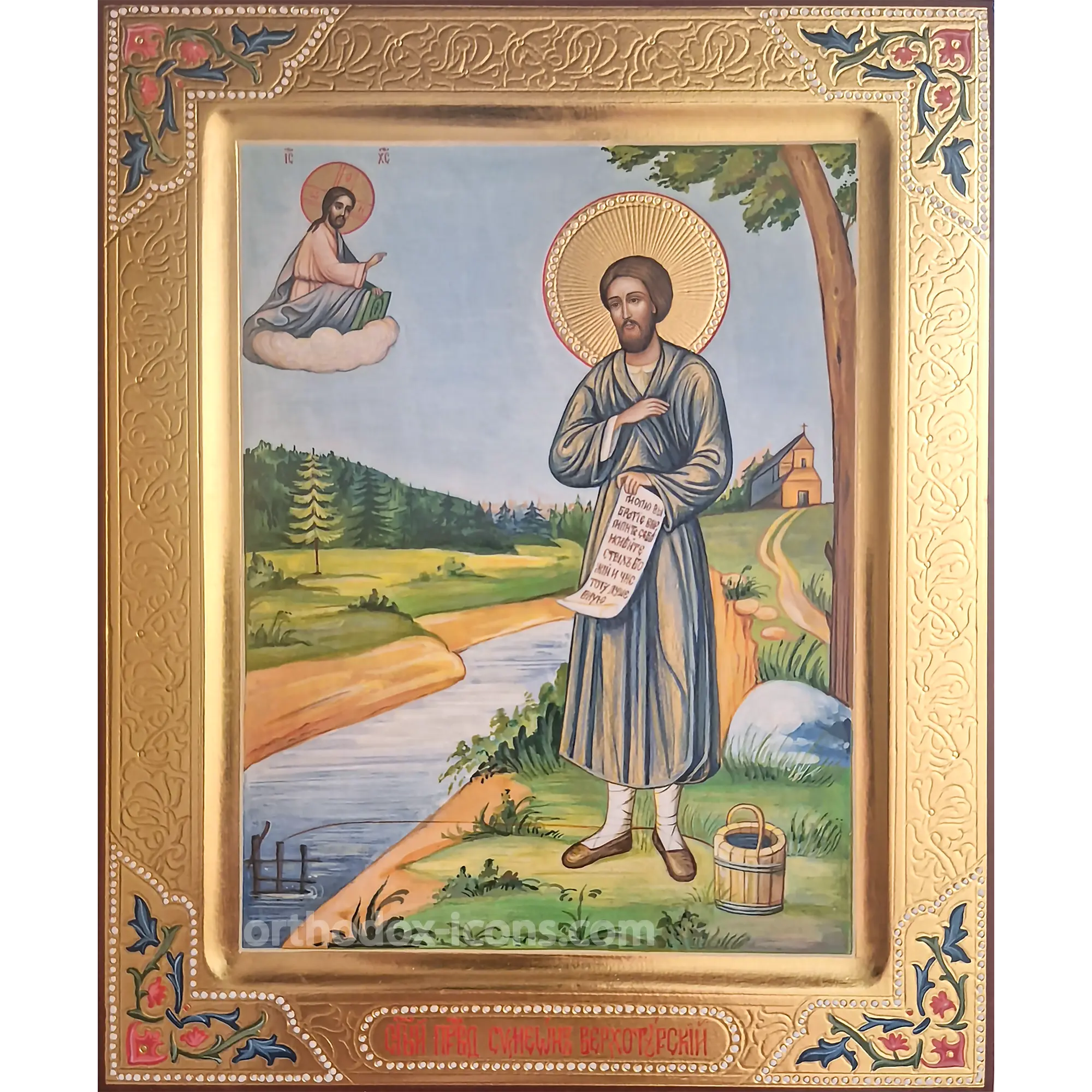
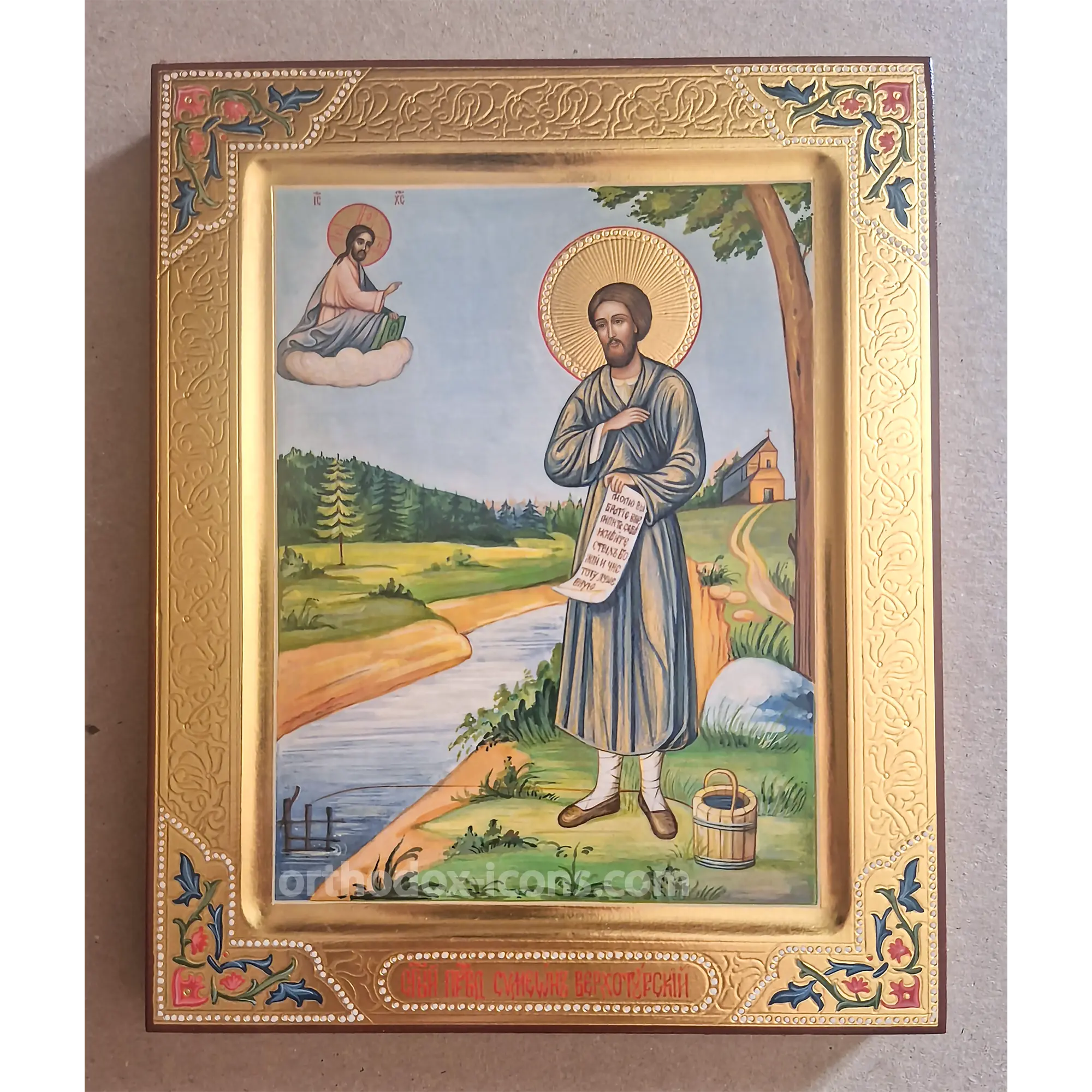
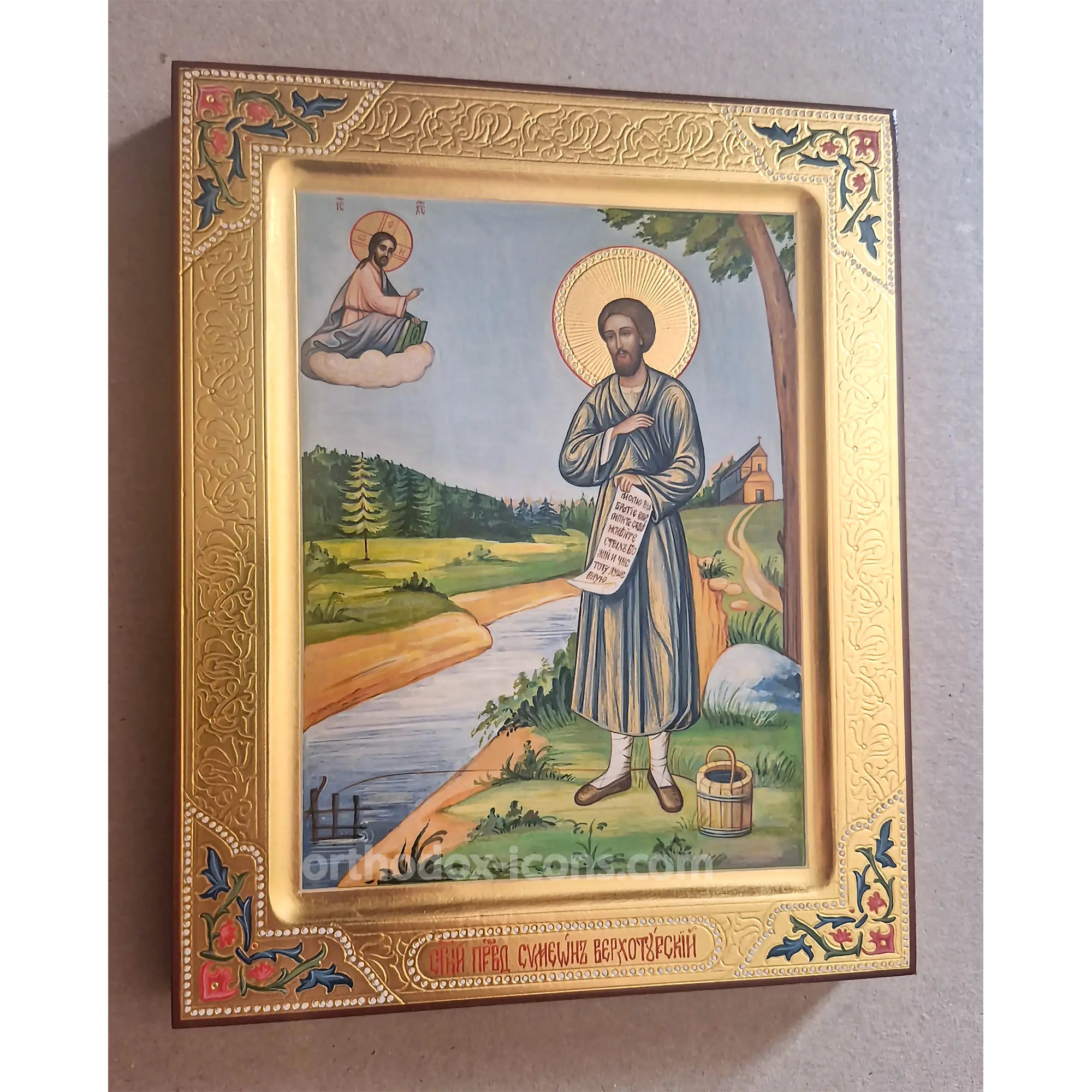
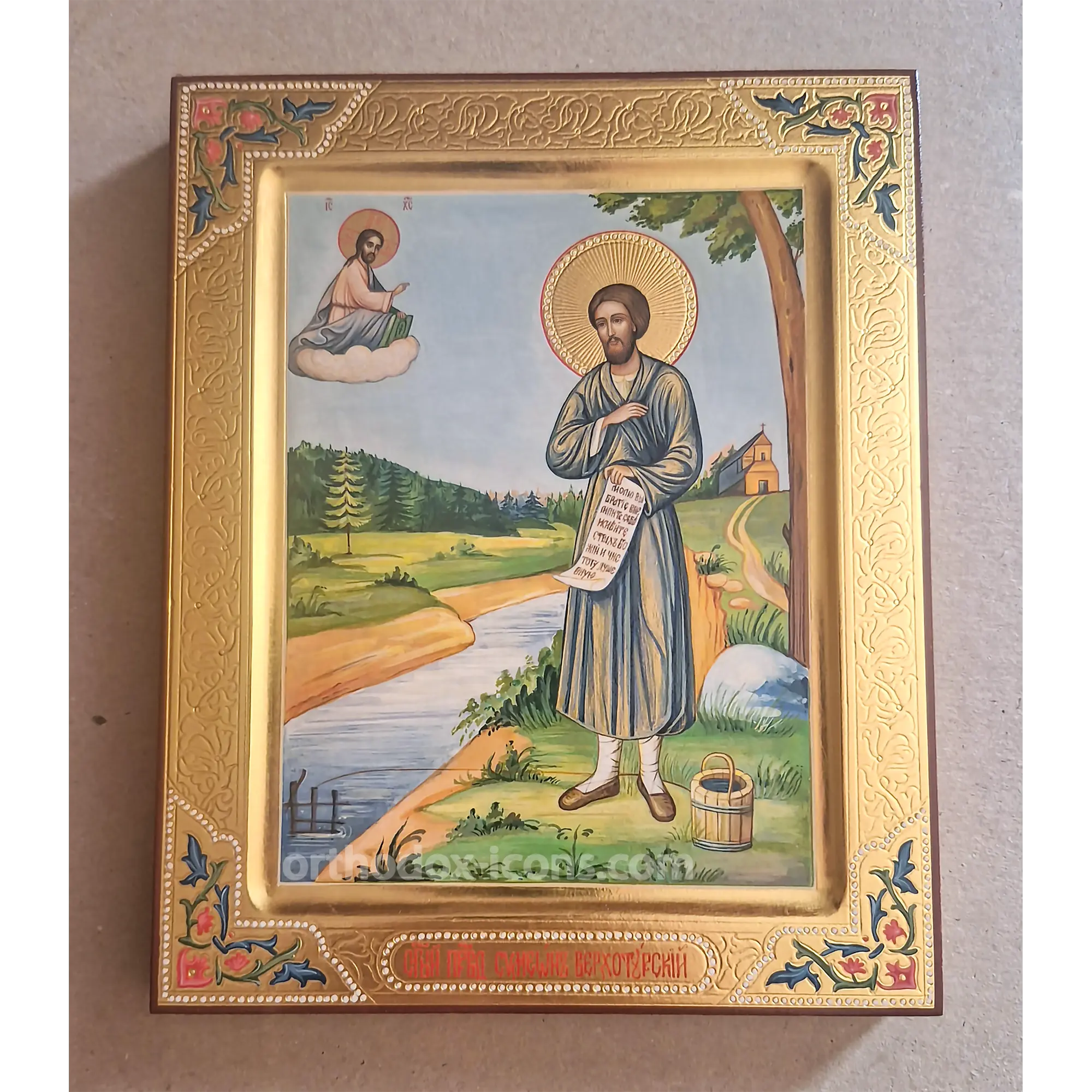
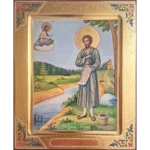
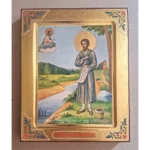
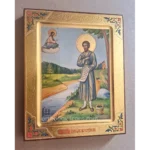
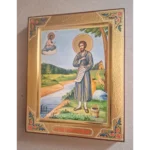
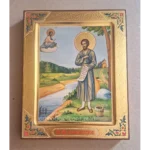
Simeon of Verkhoturye Orthodox Icon is a hand-painted icon of the righteous wonderworker and spiritual patron of the Ural and Siberian lands. The saint is shown full-length in simple peasant clothing, with a scroll, river landscape, fishing details, and Christ blessing him from the heavenly segment.
The icon is painted in egg tempera on a wooden panel with kovcheg, gold leaf, hand-tooled relief fields, and colored enamel-style ornament. Free international shipping is included. Payment is made after you receive and approve the icon.
It is possible to paint an image in any size to order
Free shipping worldwide
Simeon of Verkhoturye Orthodox Icon is a hand-painted Orthodox icon of the righteous wonderworker who is widely venerated as a spiritual patron and protector of the Ural and Siberian lands. Saint Simeon came from a noble family, yet freely chose poverty, hard work, hidden prayer, and humble service in the severe northern country. This icon combines a deeply prayerful image with rich artistic work: a Ural landscape, the full-length figure of the saint, gold leaf fields, hand-tooled relief ornament, and colored enamel-style decoration.
Icon Characteristics
| Name | Simeon of Verkhoturye Orthodox Icon |
| Iconographic type | Full-length figure of the righteous saint in a landscape, with Christ blessing from the heavenly segment |
| Panel | Wooden icon board with kovcheg, oak splines, pavoloka, and levkas |
| Painting | Egg tempera with natural mineral pigments |
| Gilding and fields | Gold leaf fields, hand-tooled relief ornament, colored enamel-style painting, and a radiant halo |
| Available sizes | 27×31 cm (10.6×12.2 in), 30×40 cm (11.8×15.7 in), and iconostasis formats by request |
What People Pray for Before Saint Simeon of Verkhoturye
Saint Simeon is loved as a quick helper in bodily and spiritual afflictions. The history of his veneration is closely connected with accounts of healings that occurred near his incorrupt relics. Orthodox Christians traditionally pray before his icon for help in illness, for strength in difficult family circumstances, and for humility of heart.
- For eye diseases: Saint Simeon is especially venerated by those who pray for help with blindness, cataracts, glaucoma, eye injuries, and weakness of sight.
- For weakness of the body: prayers are offered for people suffering from paralysis, lameness, bone and joint diseases, and serious neurological conditions.
- For deliverance from addictions: families often ask the saint’s intercession for loved ones struggling with alcoholism, drug addiction, or destructive habits.
- For travelers: because Saint Simeon wandered through the taiga, he is also remembered as a protector of those on the road.
- For humility: the saint’s life teaches meekness, simplicity, and freedom from pride.
These prayers are not a replacement for medical care or responsible action. In Orthodox life, prayer, repentance, pastoral guidance, and practical help belong together.
Life of the Righteous Saint
The exact date of Saint Simeon’s birth is unknown; he lived in the first half of the seventeenth century. According to tradition, he came from a noble and wealthy family in European Russia. After the death of his parents, he left worldly honor and possessions behind and went beyond the Urals into Siberia, where Russian settlement was only beginning.
Concealing his noble origin, Simeon lived first in Verkhoturye and later in the village of Merkushino. He led the life of a poor peasant wanderer. In winter he went from village to village, sewing fur coats for local people, often accepting only food and lodging. He would sometimes leave the work slightly unfinished and depart before payment could be offered, avoiding praise and human glory.
In summer he withdrew to the banks of the Tura or Sylva River, where he fished in silence and prayer, eating only what God provided. He was known for humility, meekness, love for people, and quiet preaching among local pagan tribes, including the Mansi, some of whom came to the Orthodox faith through his gentle example.
Saint Simeon reposed in 1642 and was buried near the Church of the Archangel Michael in Merkushino. About fifty years later, in 1692, his coffin rose from the earth in a miraculous way, and his relics were found incorrupt. Many healings were then associated with his relics. In 1704 they were solemnly transferred to the Saint Nicholas Monastery in Verkhoturye.
Landscape, River, and the Blessing Christ
The iconography of Saint Simeon of Verkhoturye is distinctive because it often includes a developed landscape connected with his life. In this icon the saint is not placed before a simple gold background, but within the living scenery of the Ural land. A river flows in the foreground, recalling the place where he prayed and fished in solitude.
Fishing equipment and a simple bucket are shown near the saint. These humble details are not decorative accidents: they tell of his labor, poverty, and refusal of noble privilege. The man who could have lived in comfort chose the work of his own hands and the hidden path of humility.
In the background, among coniferous forest, a wooden church rises on a hill, recalling the church in Merkushino where the saint worshiped. In the upper part of the icon, Christ is shown in the heavenly segment, blessing righteous Simeon. This detail expresses that the saint, having rejected earthly praise, received heavenly glory.
Face, Clothing, and Scroll
Saint Simeon is shown as a man of middle age, with soft features, dark fair hair falling to his shoulders, and a neat short beard. His gaze is calm, meek, and turned toward the person praying. The saint’s simple clothing underlines his chosen poverty: no brocade, no silk, no sign of noble rank, but a long blue peasant kaftan or armyak, tied with a plain belt.
The white collar of a shirt is visible beneath the kaftan. On his feet are simple peasant footwraps and leather shoes. The blue color of the outer garment points to heavenly purity, sobriety, and the hidden mystery of a life lived before God.
His right hand is pressed to his chest, a gesture of heartfelt prayer, repentance, and surrender to the will of God. In his left hand he holds an open scroll. The words on the scroll call Christians to preserve faith, love, and purity of life.
Gold Fields, Tooled Relief, and Colored Ornament
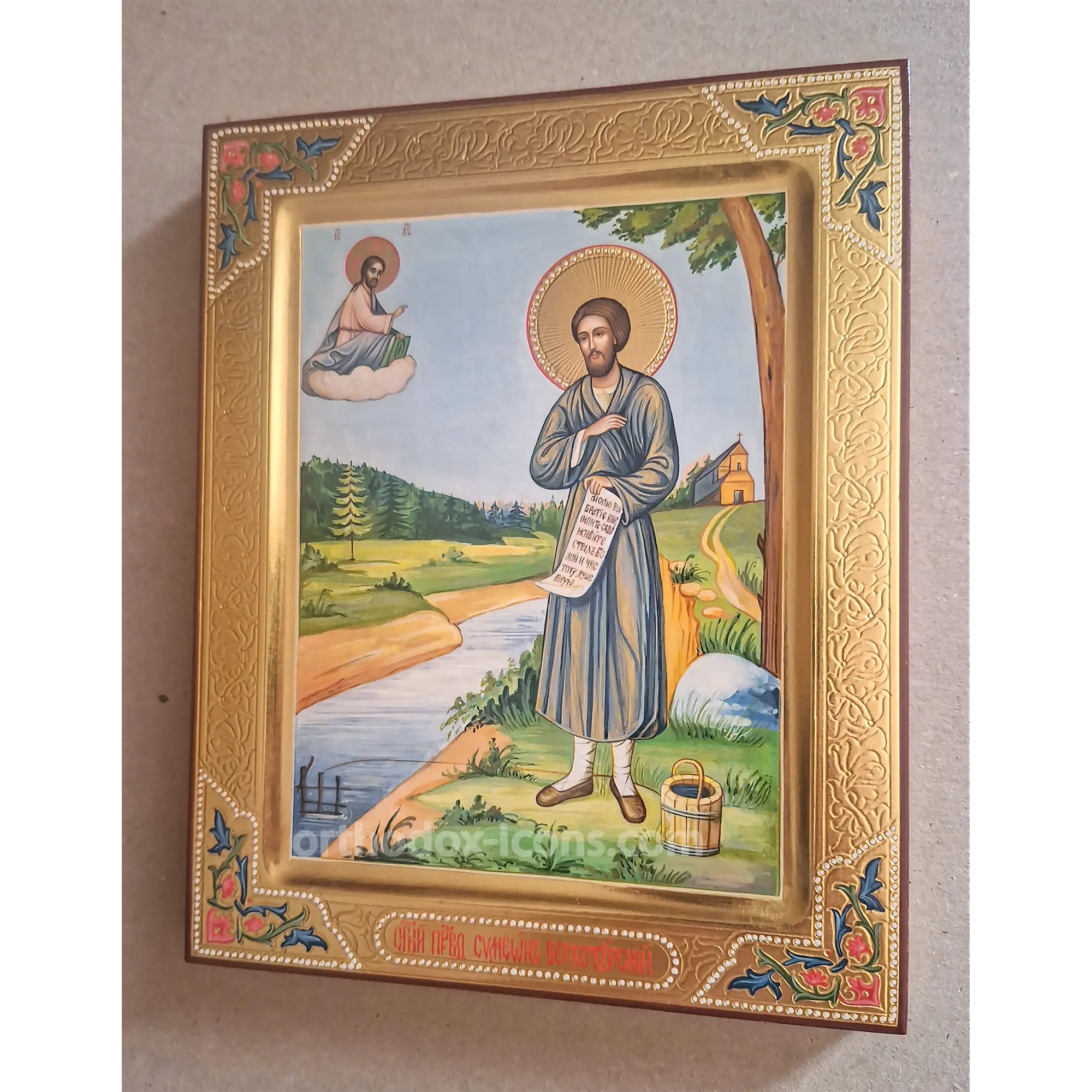
The broad fields around the kovcheg give this icon a particularly solemn character. They are covered with genuine gold leaf and decorated with hand-tooled relief ornament in the levkas. The interlacing vine pattern recalls the beauty of paradise and the living growth of spiritual life.
The ornament is enriched with colored enamel-style painting. Blue, green, rose, and red details create a festive contrast with the gold and with the quiet figure of the saint. The halo is also gilded, but it is treated more smoothly, with fine rays extending from the saint’s head. The decorative work adds solemnity without turning the icon into mere ornament; the central focus remains the saint’s humble and prayerful presence.
Choosing the Size
Because this icon includes a landscape, small details, fishing objects, a scroll, and elaborate relief ornament on the fields, it is best painted in medium or large formats. The 27×31 cm (10.6×12.2 in) size allows the face, scroll, landscape, and gold fields to remain readable. The 30×40 cm (11.8×15.7 in) size gives the figure more monumentality and allows the scenery and ornament to breathe. Larger iconostasis formats can be made individually for a church or chapel.
Materials and Technique
The icon is painted by hand according to the traditional technology of Russian icon painting. The wooden panel is prepared with kovcheg, reinforcing oak splines, pavoloka, and layers of chalk levkas. The image is painted in egg tempera with natural mineral pigments. The fields and halo are gilded with gold leaf, and the ornament is made by hand as relief work in the ground, then enriched with colored decoration.
This is not a printed reproduction. A hand-painted icon has living tempera texture, individual work in the face and garments, real gold leaf, and the quiet depth of a prayerful handmade image. It may serve in a home icon corner, a parish church, or as a significant nameday gift for someone named Simeon or Semyon.
Shipping and Payment
Free international shipping is included. The icon is packed carefully for safe transport. Payment is made after you receive and approve the icon.
Questions and Answers
Who is Saint Simeon of Verkhoturye?
Saint Simeon of Verkhoturye is a righteous Orthodox saint of the seventeenth century, venerated as a wonderworker and spiritual patron of the Ural and Siberian lands.
Why is Saint Simeon shown in peasant clothing?
He came from a noble background but voluntarily chose poverty, humility, and simple labor. His peasant clothing expresses his rejection of worldly honor.
What do the fishing objects mean?
The fishing gear and bucket recall his life of prayer and labor near the river, where he supported himself by the work of his hands.
Why is Christ shown in the heavenly segment?
Christ blessing from the clouds shows that Saint Simeon’s hidden life of humility was pleasing to God and crowned with heavenly glory.
What do Orthodox Christians pray for before this icon?
They traditionally pray for help in illness, especially eye diseases and bodily weakness, for protection while traveling, for deliverance from addictions, and for humility.
What sizes are available for this icon?
Available sizes are 27×31 cm (10.6×12.2 in), 30×40 cm (11.8×15.7 in), and larger iconostasis formats by individual request.
What materials are used?
The icon is painted on a wooden panel with kovcheg, oak splines, pavoloka, levkas, egg tempera, natural pigments, gold leaf, hand-tooled relief, and colored ornament.
Is this a printed icon?
No. This is a hand-painted Orthodox icon on wood, created in egg tempera with real gilding and handmade decorative work.
Can this icon be given as a nameday gift?
Yes. It is a meaningful Orthodox gift for someone named Simeon or Semyon, and also for families, churches, and those seeking a patron of humility and healing prayer.
How is the icon shipped and paid for?
Free international shipping is included, and payment is made after you receive and approve the icon.
| Dimensions | 27x31cm (10.6×12.2 in) |
|---|---|
| Name | Simeon |